The Notes We Keep
A father learns that love does not end when a life does—it becomes something we are responsible to carry forward.
Opens with close acoustic guitar, room tone, refrigerator hum, pencil-on-paper texture, and a childlike three-note toy-piano motif (C–E–G). Builds track by track: piano enters Track 2, cello joins Track 3, brushed drums arrive Track 4, subtle electric guitar layers in Track 5. Track 7 is the one full-band catharsis: drums, electric guitar, cello, restrained choir. Tracks 8–9 pull back to piano-forward Americana with cello accents. Track 10 returns nearly to the opening: fingerpicked guitar, soft piano, real room ambience, no cinematic swell. The three-note Lexi motif (toy piano → piano → cello → choir chord → single piano key) threads through Tracks 1, 3, 6, 8, and 10 in altered form, marking each stage of grief's transformation.
Loading…
Space play/pause · ← → seek 5s · J/L seek 10s · M mute · N/P next/prev

Paper Hearts
Make this in Suno
Cinematic Americana folk, country-adjacent, Track 1 of a grief-album song-novel. Female alto vocal, close-mic'd, warm and conversational in verses, melodic on the refrain, near-spoken in the bridge. Fingerpicked acoustic guitar, open D tuning, room ambience and refrigerator hum beneath the track. Toy piano plays the three-note C–E–G motif at the top and between refrains — childlike, bright, unhurried. Pencil-on-paper texture as soft rhythmic element. No drums. No bass. No electric instruments. BPM 120, lilting 4/4 feel, forward momentum without urgency. Intimate living-room recording, slight reverb, no compression polish — this is a morning in a house, not a studio. The bridge drops all texture except room tone and acoustic guitar, single notes only. The final refrain returns the toy piano motif. Warm, bright, aching at the edges.
Paste the style into Suno’s style field and the lyrics above into the lyrics box — the section markers and performance directives are Suno-ready.
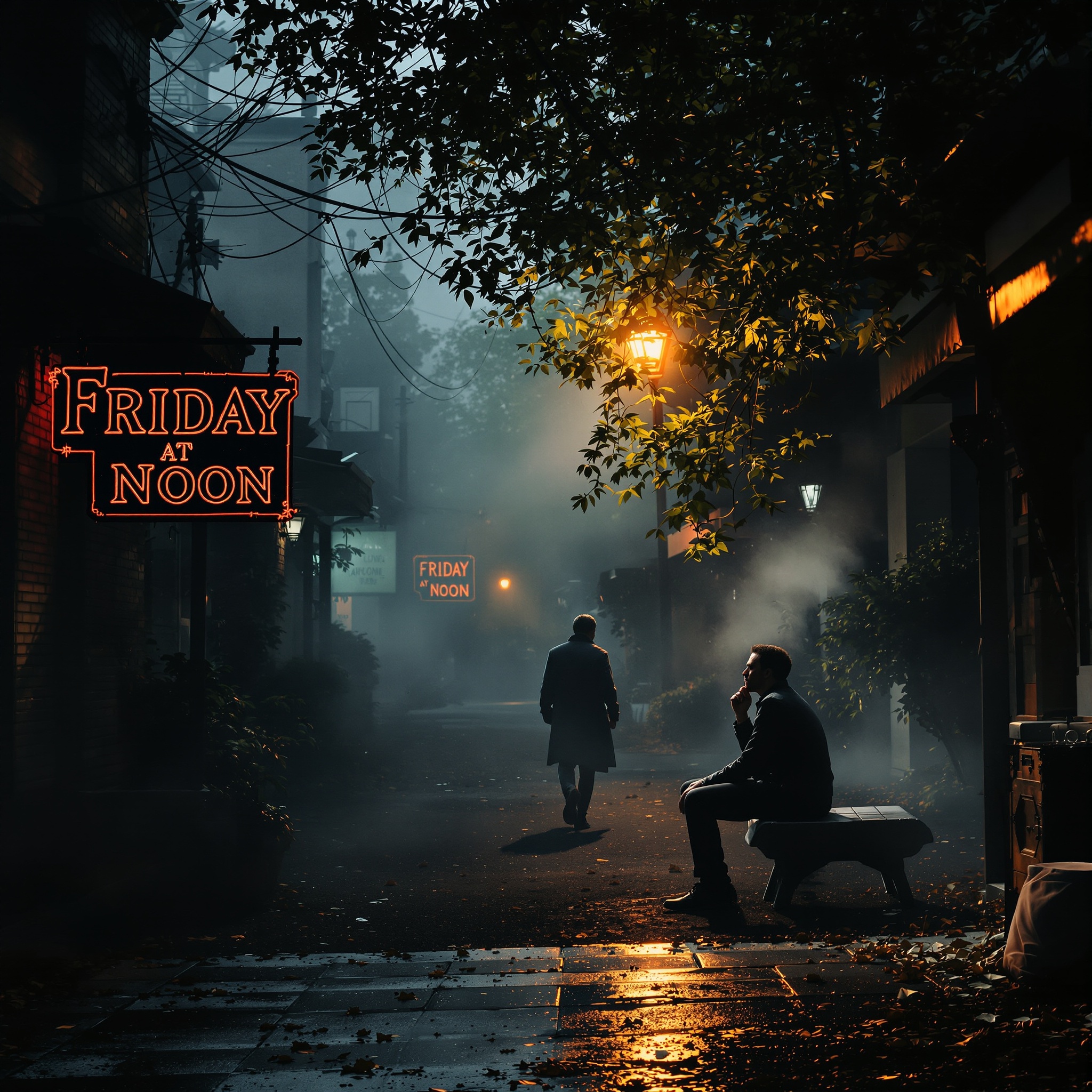
Friday at Noon
Make this in Suno
Cinematic Americana folk ballad, intimate and unhurried. Male baritone lead vocal, close-mic'd with slight room tone, conversational near-speech in verses opening to warm chest voice on chorus. Acoustic guitar fingerpicked with deliberate space between notes — not dense, letting silence breathe. Upright piano enters gently under the first chorus, sparse block chords sustaining, warm mid-register. Very light brush on snare enters in the bridge only, barely present, like a heartbeat under glass. No electric guitar, no bass beyond the piano's lower register. Dry, close production — no reverb wash, minimal spatial processing, the room sounds like a bedroom not a hall. BPM approximately 68, 4/4, key of G major with occasional flat-seven inflections toward Americana warmth. Dynamic arc: verses intimate and still, chorus slightly warmer with piano blooming
Paste the style into Suno’s style field and the lyrics above into the lyrics box — the section markers and performance directives are Suno-ready.
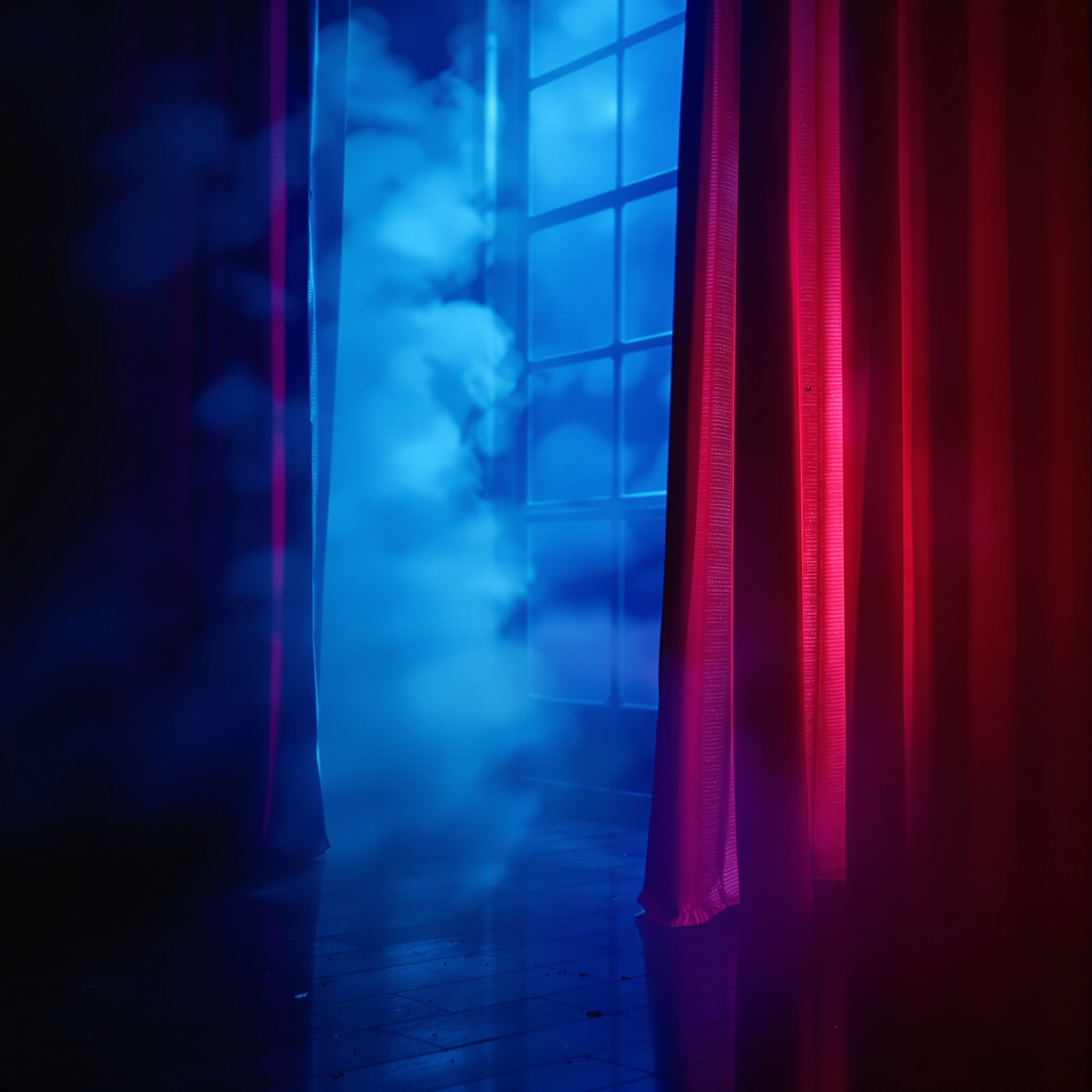
The Room Behind the Curtain
Make this in Suno
Sparse cinematic folk fragment, through-composed, no repeating sections. Male baritone vocal, half-spoken recitative that tilts toward faint melodic monologue only in the final aria section — dry, close-mic'd, no reverb tail on the voice. Instrumentation: single piano note (C, unresolved, sustained until natural decay), long cello drone entering at the curtain moment and holding through the end, near-silence as the primary texture. No percussion, no acoustic guitar, no bass. Production is almost airless — room ambience only, no added reverb or spatial treatment. BPM: unmeasured, breath-paced. Key: C (unresolved, no chord established). The three-note Lexi motif (C–E–G) appears as a single C only — the E and G never arrive. The cello does not resolve the harmony. The song ends mid-sentence with the piano note still decaying. Dynamic arc: flat entry, slight cello swell at the arioso
Paste the style into Suno’s style field and the lyrics above into the lyrics box — the section markers and performance directives are Suno-ready.

Pilot in Command
Make this in Suno
dark americana, noir-folk, guilt-ridden, introspective, sparse acoustic guitar with subtle string arrangements, deep reverb and ambient decay, weathered baritone with tremolo, measured and deliberate pacing around 70 BPM, cinematic tension, confessional storytelling, minor key melancholy, fingerpicked guitar, subtle organ undertones, production emphasizing silence and space, regretful and haunting vocal delivery
Paste the style into Suno’s style field and the lyrics above into the lyrics box — the section markers and performance directives are Suno-ready.
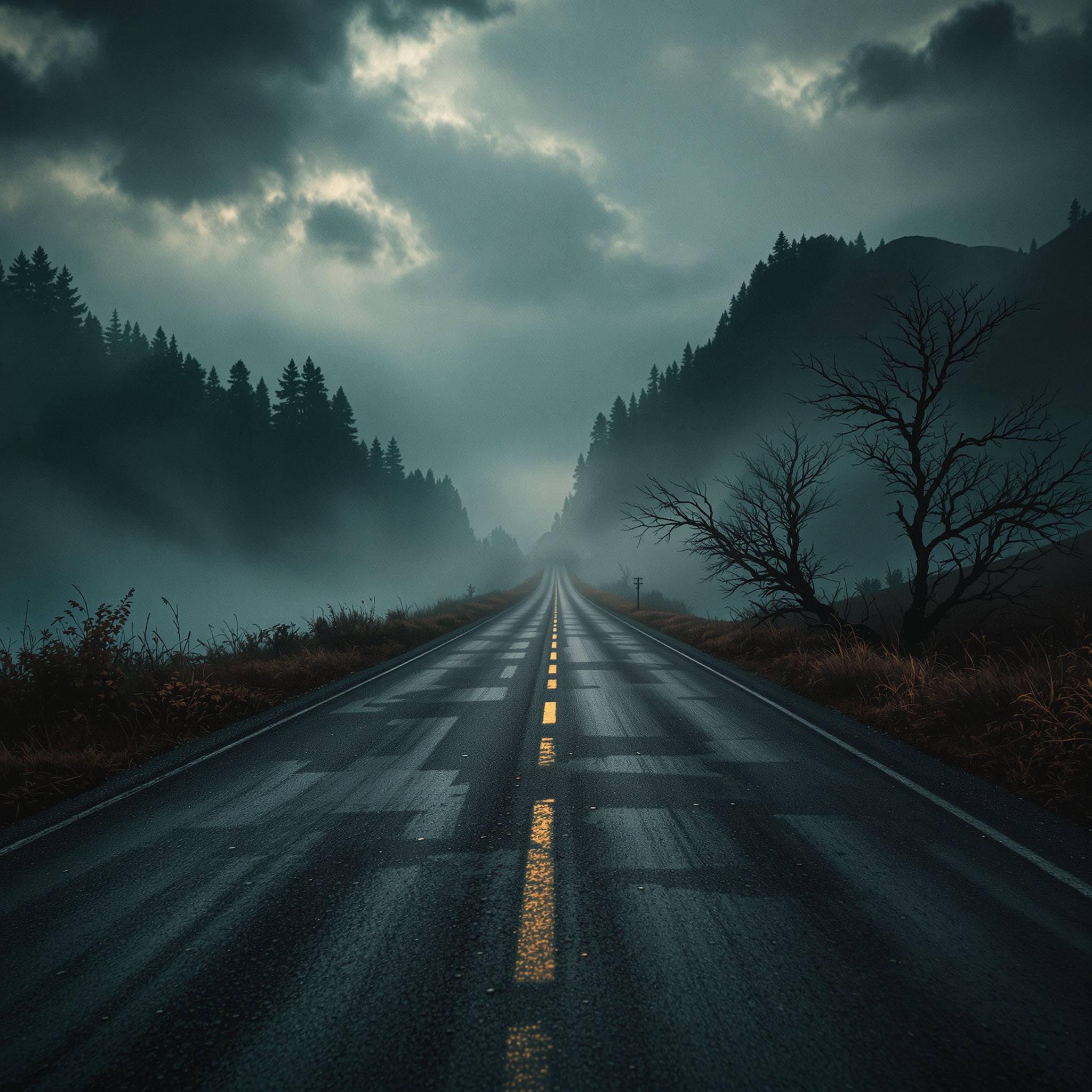
Lake Road
Make this in Suno
Cinematic folk ballad, contemporary Americana, intimate singer-songwriter. Female alto vocal, warm and plain-spoken, conversational phrasing with no vocal acrobatics — the emotion lives in evenness and restraint, not in climactic runs or breaks. Upright piano carries the melody throughout, warm mid-register, unhurried tempo around 72 BPM, key of D major with modal flatted seventh. Warm cello enters beneath the pre-chorus, sustained and low, providing harmonic depth without melodic competition. Brushed snare enters at the chorus, extremely light, more texture than rhythm — the kind of brushwork that sounds like someone exhaling. No electric guitar. No strings section. No choir. The mix is close and dry with slight room ambience, as if recorded in a living room at dusk. Dynamic arc: verse at near-whisper instrumental density, pre-chorus adds cello
Paste the style into Suno’s style field and the lyrics above into the lyrics box — the section markers and performance directives are Suno-ready.
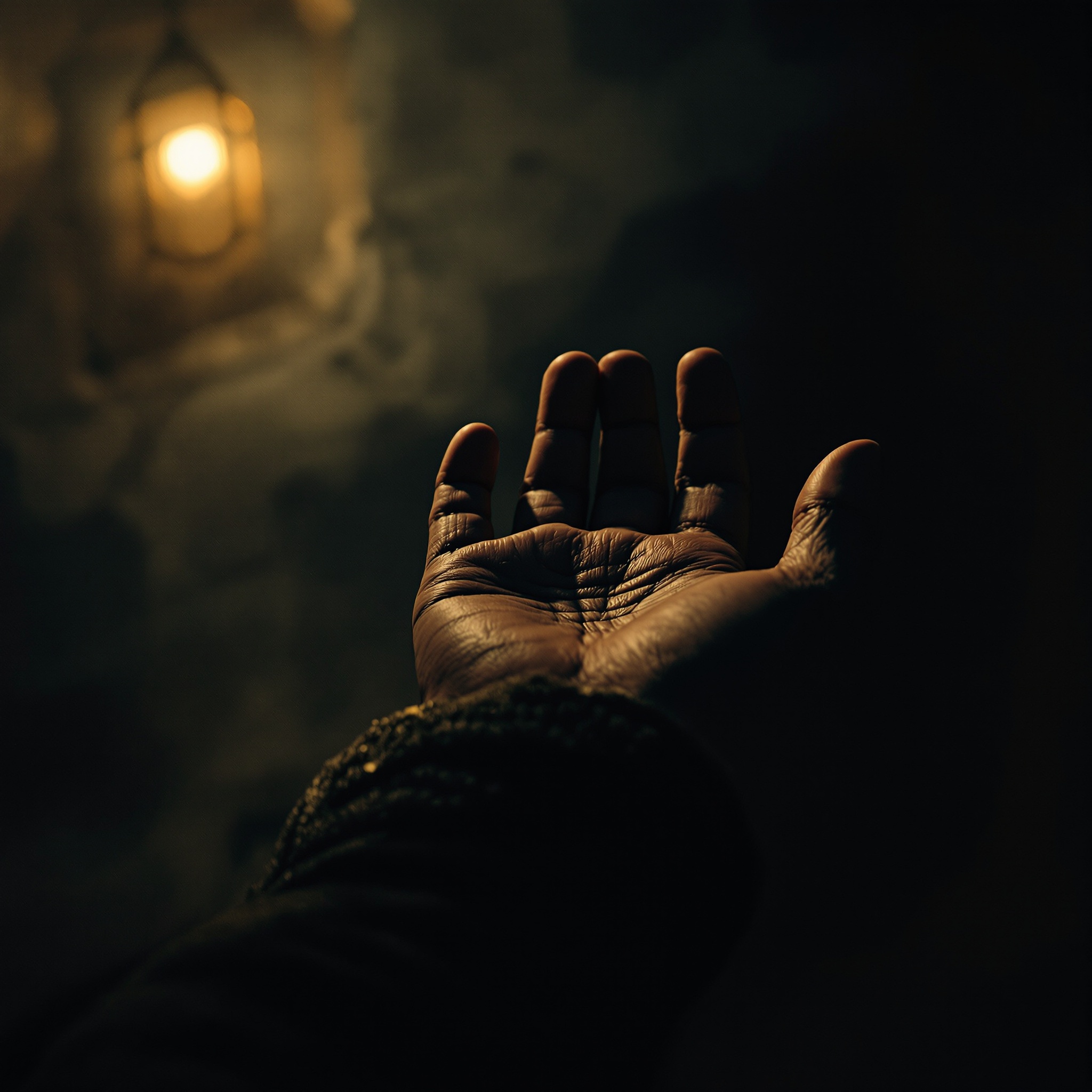
The Hand That Stayed
Make this in Suno
Cinematic Americana, grief-folk, sparse intimate production. Deep baritone male vocal, near-spoken in opening and closing sections, climbing to full chest voice at chorus peak, no falsetto. Cello plays the three-note motif (C–E–G) slowly and suspended, entering only at the first chorus, functioning as both emotional anchor and melodic response to the vocal phrases. Sparse upright piano chords land between phrases, never crowding. No percussion, no drums throughout — silence is structural. Room tone present: the sound of a house at night, wood settling, breath. Reverb is intimate, not cavernous — the sound of a single room, not a cathedral. BPM approximately 52, rubato in spoken sections. Key of D minor. Dynamic arc: near-speech opening at near-zero intensity, climbing to 6/10 at chorus, bridge tumbling urgent at 7/10, dropping to single quiet line at 2/10, final chorus at 5/10
Paste the style into Suno’s style field and the lyrics above into the lyrics box — the section markers and performance directives are Suno-ready.
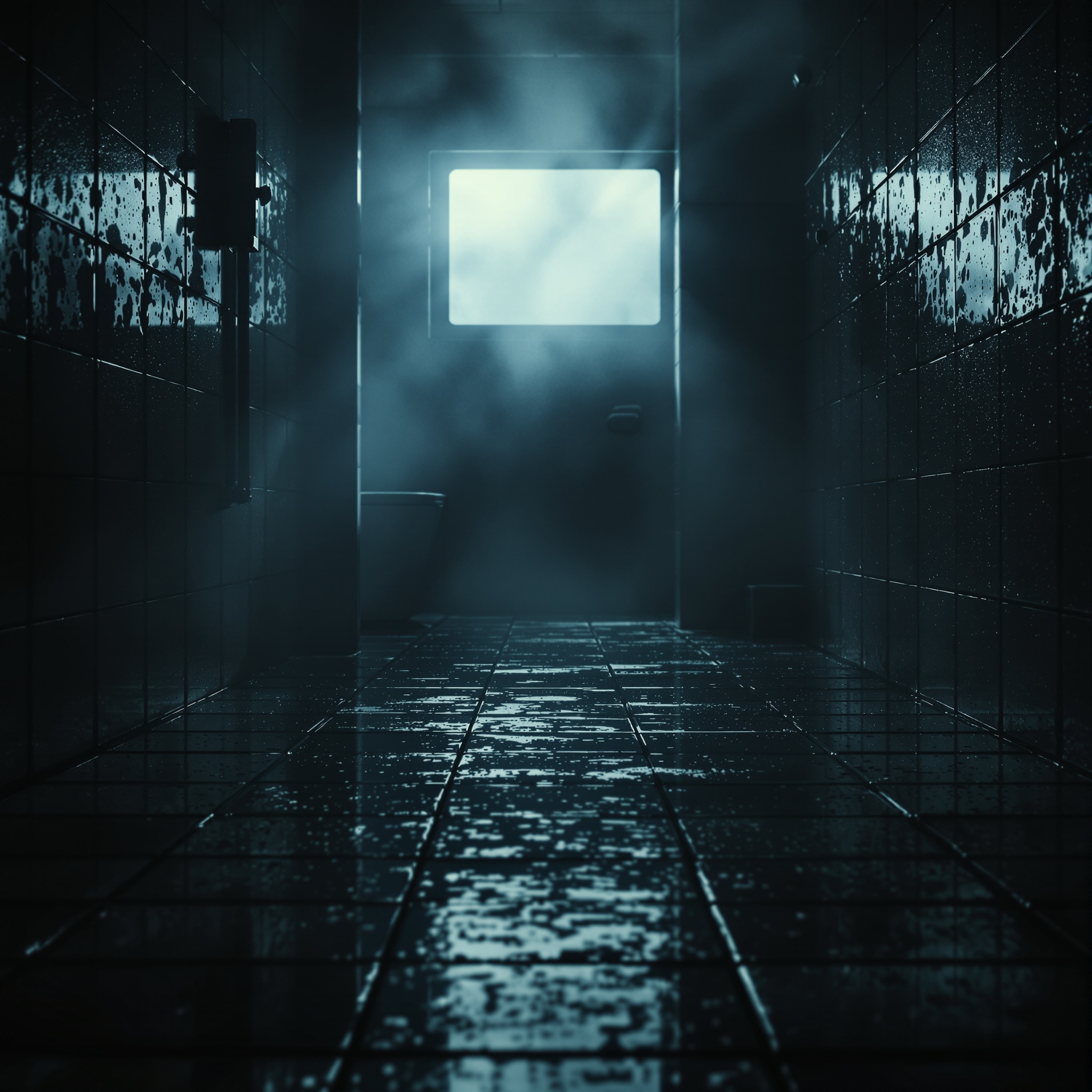
The Floor of the Bathroom
Make this in Suno
Full-band Americana rock, contemporary country-rock, emotional catharsis anthem. Male baritone vocal, deep chest voice, controlled compression in verses breaking to raw full-voice on chorus peaks, near-spoken pre-choruses, bridge delivered with sermonic exhaustion. Electric guitar dry and slightly overdriven carrying verse melody; piano anchoring harmonic center throughout; cello sustaining beneath the chorus like a second pulse; brushed drums in verse one building to full snare crack on second chorus; wordless restrained choir entering on bridge underneath the vocal, not above it. Opens with two beats of bathroom exhaust fan ambience before guitar enters — intimate, private, then the band arrives. Key of D minor, tempo 76 BPM, 4/4 with slight rubato on pre-chorus lines. Warm low-mid production, no reverb wash on verses, moderate hall reverb on chorus to open the space.
Paste the style into Suno’s style field and the lyrics above into the lyrics box — the section markers and performance directives are Suno-ready.
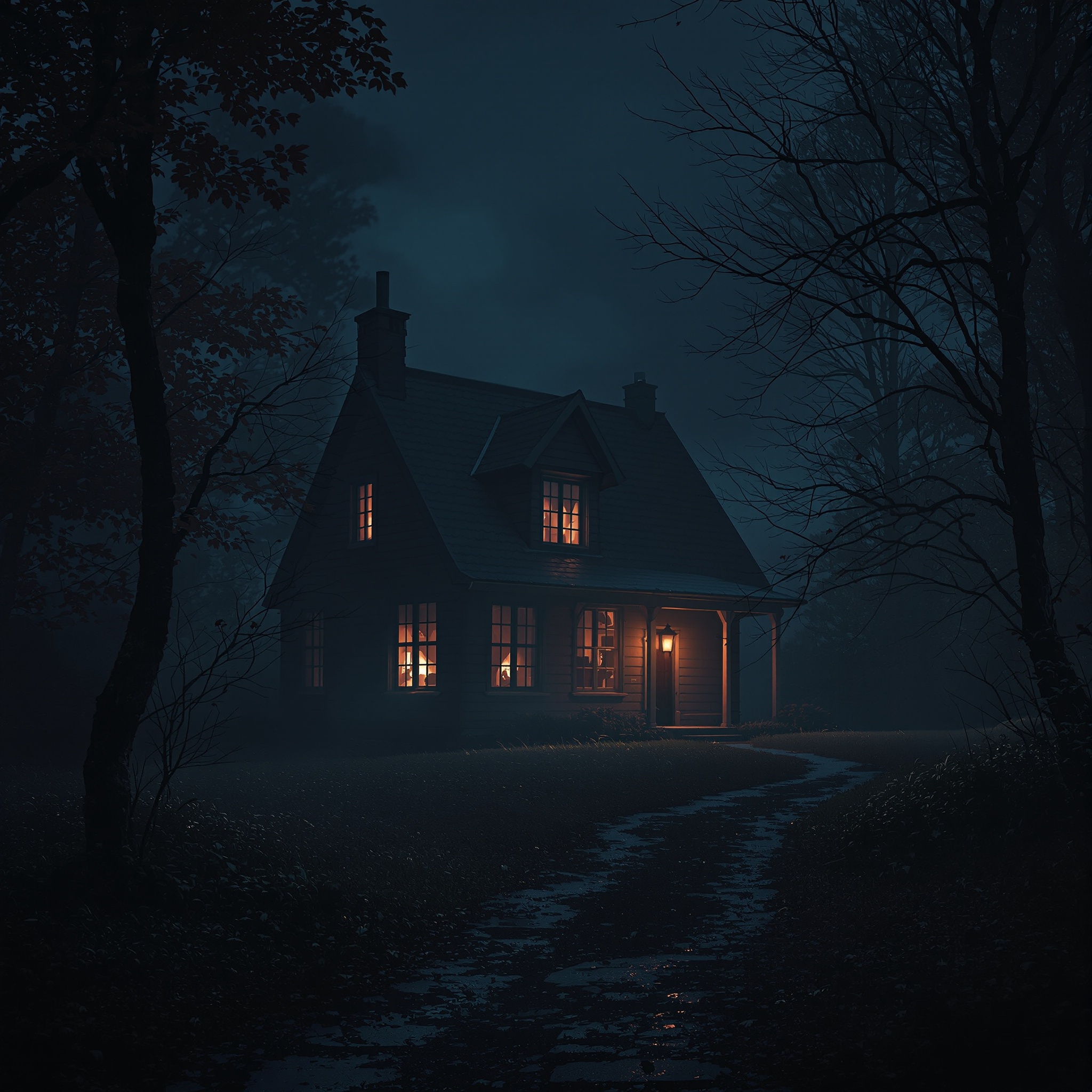
The House with the Light On
Make this in Suno
Piano-forward Americana ballad, Track 8 of a ten-track grief song-novel, pulling back from Track 7's full-band catharsis into intimate warmth. Female alto vocal, warm and weathered, conversational delivery with melodic lift only at chorus peaks — no vibrato performance, no belt, near-spoken on the tag. Upright piano carries the melodic line throughout; cello enters softly at Verse 2 on sustained low-register pedal tones, adding warmth without swell. Brushed snare drum and very quiet kick re-enter at the pre-chorus, barely present, more felt than heard — 68 BPM, rubato where the vocal breathes. Light acoustic guitar sits underneath as texture, not lead. Room ambience audible — dry, domestic, not reverb-washed. The three-note Lexi motif (C–E–G) returns on solo piano in the space between pre-chorus and chorus, single notes, unhurried. No cinematic swell. No choir.
Paste the style into Suno’s style field and the lyrics above into the lyrics box — the section markers and performance directives are Suno-ready.
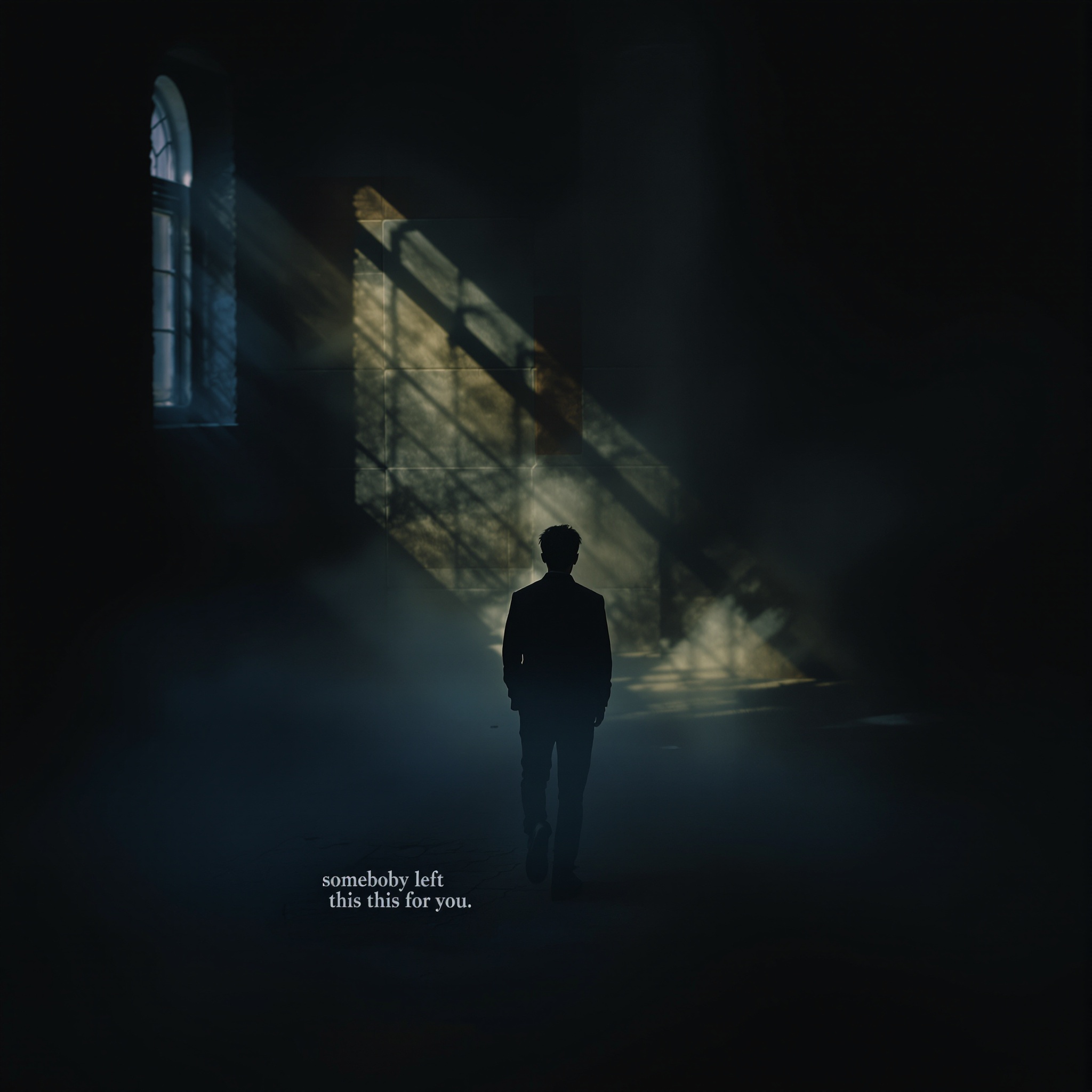
Somebody Left This for You
Make this in Suno
Cinematic Americana, introspective folk-noir, melancholic and redemptive, sparse acoustic guitar with subtle string arrangements and ambient textures, weathered baritone vocal with conversational intimacy, 72 BPM
Paste the style into Suno’s style field and the lyrics above into the lyrics box — the section markers and performance directives are Suno-ready.
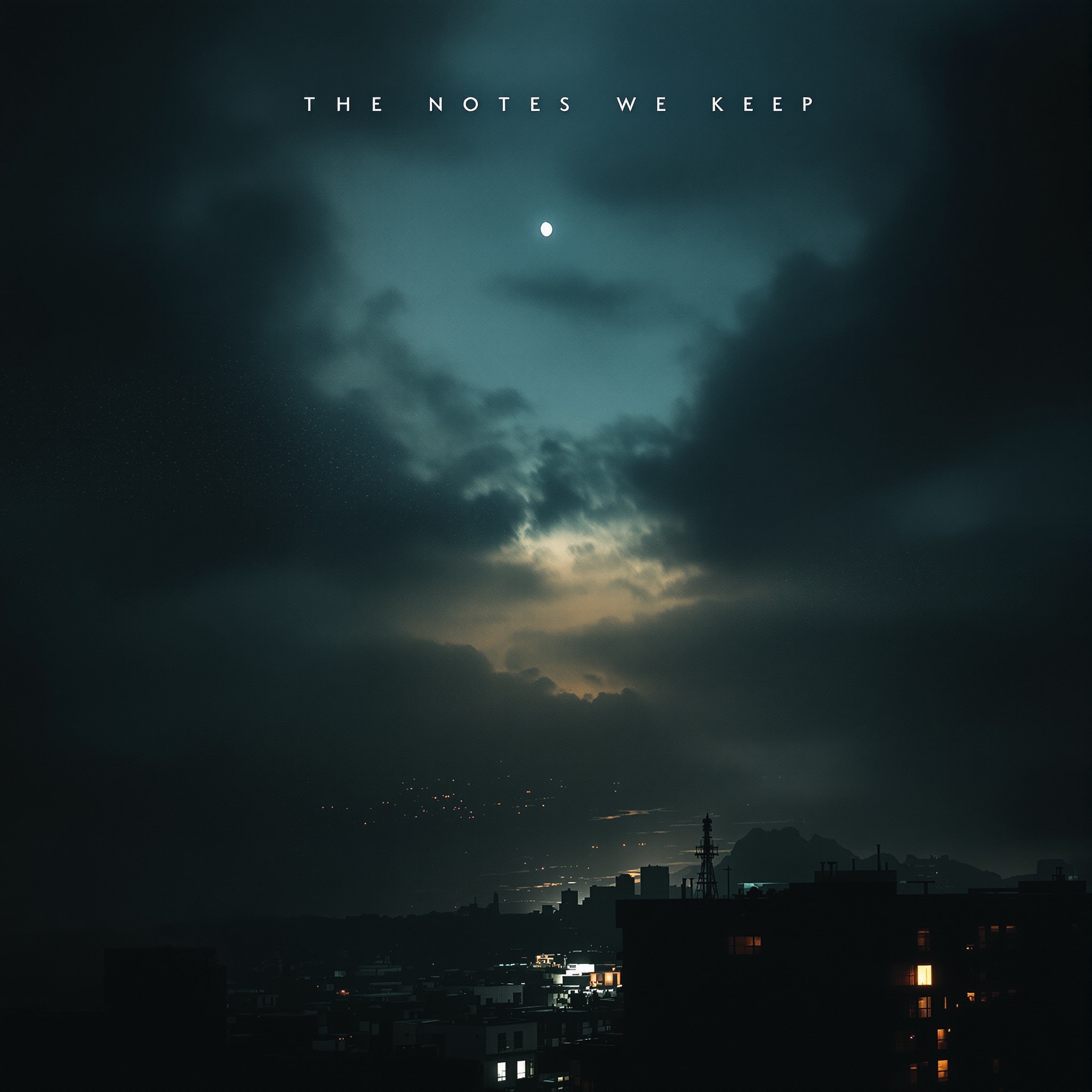
The Notes We Keep
Make this in Suno
Sparse acoustic Americana, song-novel closer, 58 BPM, key of D major, warm and unhurried. Male baritone vocal, conversational register, close-mic intimacy with natural breath audible between lines. Fingerpicked acoustic guitar as the primary texture — no strumming, single-note lines and open chord shapes, real room tone with slight reverb tail. Upright bass enters quietly under Verse 2, felt more than heard. Single piano line in the chorus, unhurried, low register, no pedal sustain. Real room ambience throughout: refrigerator hum, window creak, the acoustic space of a kitchen at night. No drums, no percussion of any kind. Interlude: solo piano plays three notes — C, E, G — slowly, resolved, once. Final chorus: guitar and piano together, no additional instruments, no swell. Song ends on a single piano note fading into room tone. Production era: contemporary Americana
Paste the style into Suno’s style field and the lyrics above into the lyrics box — the section markers and performance directives are Suno-ready.
Next showcase album: The Grief Is Smaller Than the Room
One seed. A whole album of song-worlds.