The Man in Cell Nine
They took his uniform, his rank, his body, and almost his mind. But they could not make him disappear.
Cinematic Americana and orchestral folk-rock built on acoustic guitar, upright piano, cello, muted electric guitar, floor toms, harmonium, and restrained strings. Opens with full-band confidence (track 1), strips to near-silence by track 4, rebuilds through coded percussion and low ensemble voices (tracks 6-10), reaches devastating sparseness at track 11, then slowly re-introduces warmth and room tone for the homecoming sequence. Aircraft hum, radio crackle, wall taps, metal-cup resonance, porch insects, and kitchen ambience appear as diegetic texture — never as production gimmick. The sonic arc: control → collapse → isolation → hidden brotherhood → surrender → endurance → shame → liberation → difficult homecoming → forgiveness → presence.
Loading…
Space play/pause · ← → seek 5s · J/L seek 10s · M mute · N/P next/prev
The Sky Obeys
Make this in Suno
Cinematic folk-rock, Americana, late-20th-century military drama. Male baritone-to-tenor, chest voice, declarative and expansive — verse delivery close-mic'd and unhurried, chorus opens to full-room resonance. Acoustic guitar drives the rhythm with a confident strummed pattern, not fingerpicked — broad and purposeful. Floor toms enter on the pre-chorus, steady and grounded, no kick drum flourish. Low electric guitar adds body beneath the acoustic without distorting. Strings enter at the first chorus as a swell from below, not a melodic overlay — they reinforce the harmonic center and lift. Upright piano sits mid-mix in the verses, spare chords on the beat. Bridge strips to acoustic guitar and voice only, intimate and close, a private phone call register. Final chorus reintroduces full band with strings at peak — the arrangement's most open moment. Reverb is room-sized, not cathedral
Paste the style into Suno’s style field and the lyrics above into the lyrics box — the section markers and performance directives are Suno-ready.
Last Transmission
Make this in Suno
Cinematic Orchestral Americana, late-20th-century setting, through-composed operatic structure. Deep baritone male vocal moving from precise military-debrief speech-song in the opening to fragmented half-spoken grief in the middle to near-whispered exhaustion at the close. Upright piano carrying the harmonic weight, single-note sparse throughout the RECITATIVE, slow chord clusters entering in the ARIA as the narrative fractures. Prominent cello melody in the ARIOSO — mournful, unresolved, not resolving to the tonic. Muted electric guitar enters at low register during the ARIA, functioning as texture not rhythm. Strings fragment and thin across the piece, never building to a swell, instead pulling back as the voice drops. Floor toms as a single pulse during the warning-tone moment, then silence. Diegetic aircraft warning tone texture woven into the production bed — not foregrounded
Paste the style into Suno’s style field and the lyrics above into the lyrics box — the section markers and performance directives are Suno-ready.
Cell Nine
Make this in Suno
Sparse chamber folk, song-novel track, cinematic Americana, late-20th-century period texture. Deep male baritone vocal, half-spoken in verses with rhythmic speech delivery, shifting to full-voiced singing in the refrain, near-whisper on bridge resolution. Solo upright piano carrying minimal chords with long sustain pedal, lone cello on a single sustained low note through verses, metal cup resonance as diegetic percussion (three taps, two taps, silence). No drums, no electric instruments, no guitar. Concrete reverb — short, dead, institutional — no warmth, no room bloom. Extreme dynamic range: verses at near-silence, refrain at restrained full voice, bridge spoken then rising then collapsing. BPM approximately 58, no fixed meter — breath groups drive timing. Key of D minor. Atmosphere: isolation, stripped identity, solitary defiance in the dark.
Paste the style into Suno’s style field and the lyrics above into the lyrics box — the section markers and performance directives are Suno-ready.

What They Asked Me to Say
Make this in Suno
Minimal industrial-folk, sparse testimony sound, late 20th-century period feel. Deep male baritone vocal, near-spoken in verses climbing to full chest voice on the refrain, receding to half-voice by the final section — dry, no reverb on the voice, close-mic'd, no breath enhancement. Floor tom at slow irregular pulse, muted guitar body-percussion only, no melodic instrument until the bridge where a single bowed cello enters one octave below the vocal. No snare, no kick drum pattern, no bass guitar. Acoustic guitar absent — replaced by wood-body percussion. Silence between couplets is structural, not incidental. Bridge drops to near-zero instrumentation: room tone, distant low string drone. Final spoken section completely dry, no accompaniment. Production texture: concrete, industrial-cold, no warmth, no reverb wash. BPM approximately 58, irregular — pulse breathes rather than locks.
Paste the style into Suno’s style field and the lyrics above into the lyrics box — the section markers and performance directives are Suno-ready.
The Light on Hollow Street
Make this in Suno
Cinematic folk ballad, late 20th century Americana, intimate letter-song register. Female alto vocal, half-spoken in verses with the measured cadence of a letter read aloud — measured, restrained, dry-eyed; lifts into full-voiced melody at chorus with fractional vulnerability on held notes; bridge returns to near-speech, almost distracted. Upright piano, sparse and open-voiced, single sustained chord under each verse phrase with space between. Solo cello enters at chorus, low register, long bow strokes, no vibrato. Bridge: piano only, lowest register, near-silence, room tone audible. Final chorus: restrained string swell enters for the first time, one violin and one viola only, held pianissimo beneath the vocal. No percussion. BPM approximately 60, key of D minor. Autumn evening atmosphere, lamp light, paper texture, insects faint in distance.
Paste the style into Suno’s style field and the lyrics above into the lyrics box — the section markers and performance directives are Suno-ready.
One Knock After Midnight
Make this in Suno
Rhythmic acoustic folk, cinematic Americana, late-20th-century period sound. Deep baritone male vocal, half-spoken verse delivery shifting to restrained full-voice on the turn, controlled and spare throughout. Wall-tap percussion as primary rhythmic driver — dry, wooden, metronomic, no reverb on the taps themselves. Upright piano holding low single-note drone beneath verses. Acoustic guitar sparse, only harmonic fills between phrases. Cello enters on Response sections, one bowed note sustained per measure. Second low male voice humming wordlessly under all Response lines — not a duet, a ghost. No drums until the Turn section, where a single floor tom enters on the two-beat pattern. Harmonic undertone throughout. Tempo rubato in verse, steady pulse in response. Key of D minor. Intimate room sound, slight natural reverb on vocal only.
Paste the style into Suno’s style field and the lyrics above into the lyrics box — the section markers and performance directives are Suno-ready.
The Prayer I Could Not Pray
Make this in Suno
Sparse gospel-chamber fragment, late-20th-century cinematic Americana, 30-60 seconds, male baritone vocal delivered as speech-song barely above a breath — no vibrato, no projection, the sound of a man alone in a stone room. Single sustained upright piano chord held through the entire piece, no attack, pure resonance. One bowed cello enters only at the hymn fragment near the end, low and slow, sustaining after the voice stops. Distant harmonium drone underneath like air pressure, nearly subliminal. No percussion. No guitar. No strings beyond the single cello. Maximum space between phrases — silence is an instrument here. Room acoustics: stone, close-mic'd, slight natural reverb suggesting concrete walls, no artificial reverb added. BPM unmeasured — tempo is the breath, not a grid. Key of D minor. Atmosphere: midnight, stone, exhaustion, one candle of faith.
Paste the style into Suno’s style field and the lyrics above into the lyrics box — the section markers and performance directives are Suno-ready.
Bread Under the Door
Make this in Suno
Rising orchestral folk, cinematic Americana, song-novel track 8 of 14. Male tenor vocal, mid-range, careful and restrained in verses with the quality of a man speaking a vow at low volume, opening into clear sustained tone at the chorus hook. Verse instrumentation: single fingerpicked acoustic guitar and low cello, no percussion, room tone present, intimate and close-mic'd. Pre-chorus: harmonium enters under the vocal, adding weight without volume. Chorus: hand percussion enters on beat two, muted acoustic strums thicken, male ensemble voices enter on the second repeat of 'carry her name' — two voices only, a third below, no choir. Instrumental bridge: full ensemble drops to solo upright piano, eight bars, no vocal, moderate reverb, the space of a held breath. Final chorus: all elements return
Paste the style into Suno’s style field and the lyrics above into the lyrics box — the section markers and performance directives are Suno-ready.
The Family Photo in His Pocket
Make this in Suno
Dark chamber folk, cinematic Americana, late 20th century. Deep male baritone, near-spoken testimony building to full-voiced confrontation then receding to quiet irresolution. Tense cello ostinato throughout — single repeated figure, no harmonic resolution. Low acoustic guitar, sparse and percussive, minimal ornamentation. Upright bass anchoring the low end. Fractured rhythm — irregular meter, no steady pulse until the chorus where a floor tom enters on two and four, then drops again. No electric guitar. Harmonium enters faintly under the bridge instrumental, holding a single drone note. Room acoustic — close-mic'd, intimate, the sound of stone and still air. BPM approximately 58. Key of D minor. No reverb on the vocal — dry and present, as if the singer is inside the listener's skull. Cello drops out entirely at the final chorus, leaving only guitar and voice.
Paste the style into Suno’s style field and the lyrics above into the lyrics box — the section markers and performance directives are Suno-ready.
Keep Your Name
Make this in Suno
Folk-rock anthem, late 20th-century Americana, cinematic orchestral folk. Male baritone lead vocal, mid-register, close-mic'd with slight room ambience — deliberate, compressed, each word placed with the weight of someone speaking under surveillance. Verses: acoustic guitar strummed in steady quarter-note drive, floor toms entering on beat two and four (the tap-code rhythm from earlier in the album), upright bass walking low, harmonium drone held beneath at half-volume. Chorus: floor toms lock into full anthem pulse, harmonium swells to foreground, sparse male ensemble voices enter in unison beneath the baritone — not choir, two or three voices, close and rough. Bridge: all percussion drops, bowed cello sustains a single low note, vocals shift to near-spoken delivery — flat affect, counting — until Leo Serrin's name, spoken twice, falls into near-silence.
Paste the style into Suno’s style field and the lyrics above into the lyrics box — the section markers and performance directives are Suno-ready.
The Statement
Make this in Suno
Devastated acoustic piano ballad, solo male baritone, through-composed operatic folk. Single upright piano, no percussion, no strings, no bass — one instrument in a room with one voice. BPM unmeasured, rubato throughout, the tempo determined by breath not click. Key of D minor, unresolved cadences. Deep male baritone delivery, close-mic'd, near-spoken in the recitative sections, opening into restrained melody for the aria repetitions, then descending back to fragile near-speech for the arioso. The piano never resolves — each phrase ends on an open interval. Room tone audible: slight reverb of a small stone space, as if recorded in a cell rather than a studio. No production ornamentation. The silence between piano phrases carries as much weight as the phrases themselves. Emotional arc: controlled flat affect collapsing by degrees into bare confession.
Paste the style into Suno’s style field and the lyrics above into the lyrics box — the section markers and performance directives are Suno-ready.
The Gate in Winter
Make this in Suno
Cinematic folk-rock, late-20th-century Americana, orchestral folk-ballad. Deep male baritone, mid-register, conversational and near-spoken in early verses, raw and widening by the final entry — no vibrato affectation, no vocal polish, the voice of a man reading his own inventory aloud. Upright piano enters first, single notes, wide spacing. Acoustic guitar held back until List Entry III — sparse fingerpicked lines, not a rhythm instrument. Cello enters low and sustained under the Leo entry, no vibrato, held like a breath. Drums delayed until after the bridge — a single floor tom pulse, then brushed snare, building to a restrained kit by the final chorus, never triumphant. Harmonium faintly present beneath the bridge's withdrawn aside, then gone. No electric guitar until the final chorus, where a muted single-note line traces the melody without ornamentation.
Paste the style into Suno’s style field and the lyrics above into the lyrics box — the section markers and performance directives are Suno-ready.
The Man at the Kitchen Table
Make this in Suno
Intimate chamber folk, late 20th century Americana, cinematic singer-songwriter. Female alto vocal, conversational and close-mic'd, warmth without vibrato, voice treated as if speaking in a sleeping house — melodic peaks restrained to chorus, never belted. Upright piano as primary melodic and harmonic bed, played with soft damper pedal, resonant and unhurried. Cello threading underneath throughout, bowed long and low, sustaining between vocal phrases rather than moving with them. Acoustic guitar enters only at the second chorus, single room-tone strums on the downbeat, never strummed through. No percussion except floor tom entering at the final chorus with a single breath-like hit per bar. Room tone present — a real room, not a treated studio. Reverb minimal and natural, as if recorded in a small wooden room. BPM approximately 58, key of D major with modal softness.
Paste the style into Suno’s style field and the lyrics above into the lyrics box — the section markers and performance directives are Suno-ready.
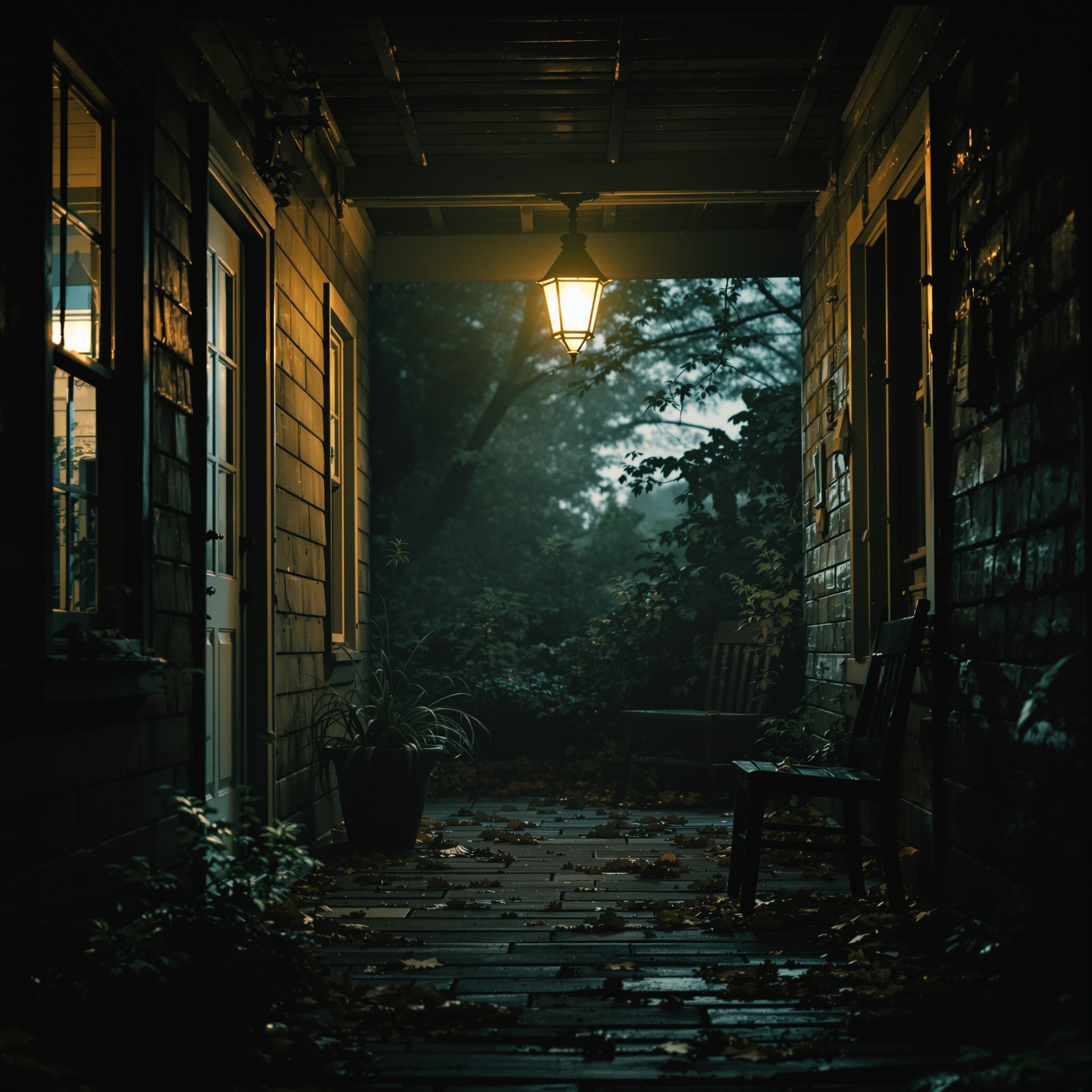
The Porch Light Was On
Make this in Suno
Gentle acoustic Americana, cinematic folk-rock closer, late-20th-century period production. Male baritone, weathered and controlled, near-spoken in verses, full chest voice on refrain peaks, fragmenting to hushed awe in bridge. Upright piano as primary voice, single notes sustaining between phrases. Cello carrying the emotional undertow through verses, swelling slightly on refrain, gone entirely in bridge. Acoustic guitar fingerpicked sparingly, one string at a time, no strumming. Restrained strings entering only on the final refrain, barely audible, like breath. Floor toms on downbeats only, felt more than heard. No electric guitar. Production dry and close, minimal reverb — the room is small, intimate, a kitchen at dawn. BPM approximately 58, key of G major. Diegetic silence between bridge fragments. Final piano note held until it dissolves. Dynamic arc: quiet throughout
Paste the style into Suno’s style field and the lyrics above into the lyrics box — the section markers and performance directives are Suno-ready.
Next showcase album: The Grief Is Smaller Than the Room
One seed. A whole album of song-worlds.