Skip to content
← Showcase albums

The Empty Chair

A Northern farming family measures the Civil War in letters, silences, and the work that still has to be done.

The album opens with acoustic guitar, fiddle, and upright bass in a warm, close-miked barn-room register — intimate, pre-war stillness. As the album moves into enlistment and early campaign, a distant snare drum and muted military fife enter the low end, never foregrounded, always felt. By the middle sequence (tracks 5–8), piano and sparse strings carry grief while the fiddle grows more dissonant and lonesome. A harmonica appears first as comfort (track 3) and returns as elegy (track 10). Church choir voices are introduced sparingly on track 9 and return transformed on track 11. The final track strips everything back to solo acoustic guitar and a single cello line — the same opening key, but slower, a half-step lower, as if the earth settled. Throughout, brushed snare replaces kick drum entirely; there is no electric instrument on the record. Production is dry and close, in the manner of Gillian Welch's 'Time (The Revelator)' and Springsteen's 'Nebraska,' with occasional room ambience suggesting a church hall or open field.

12 tracksone concept · one palette
The Empty Chair Radio00 / 12

Loading…

0:00
0:00

Space play/pause · ← → seek 5s · J/L seek 10s · M mute · N/P next/prev
01 · Duet + choirAmericana folk
Before the Bells cover art

Before the Bells

RECITATIVE — Elias
Whetstone on iron, slow draw and return —
the lane catches the last of the August light.
Buckeye pulls the wagon; Thomas drives him home.
ARIOSO — Margaret
Linen on the line, warm from the afternoon —
James is hollering somewhere in the corn rows.
Clara's on the rail with something she is reading.
I say the name of every thing I'm touching.
ARIOSO — Elias
I hone each edge like I am settling a debt —
Nora on the step, she shells the last of the beans.
The bell on the hill has a crack nobody fixed —
some things you let stand because they're known.
DUET — Elias and Margaret
The bread cools on the sill —
the bread cools, do you smell it?
James will come when he's called —
James will come, he always comes.
The dog gives out in the grass; the boy runs on.
There's enough for everyone this year.
ENSEMBLE — All voices, converging
Enough for everyone this year —
Buckeye in the barn, Clara on the rail,
Nora shelling, Thomas washed and quiet,
the crack in the bell that nobody fixed,
the light going gold and then not gold,
a family exactly where it ought to be,
James chasing through the rows, the dusk taking the rows —
and we are here. We are here. The bread. The bell. The boy.

Make this in Suno

Intimate male and female duet, tender Americana folk. Close-mic acoustic guitar fingerpicking, subtle upright bass, warm atmospheric room tone. Gentle, conversational vocal delivery, weathered male voice and soft, grounded female voice intertwining. Sparse percussion, brushed snare, wooden percussion. Nostalgic, golden-hour acoustic roots, storytelling, organic, raw, unpolished, emotional restraint.

Paste the style into Suno’s style field and the lyrics above into the lyrics box — the section markers and performance directives are Suno-ready.
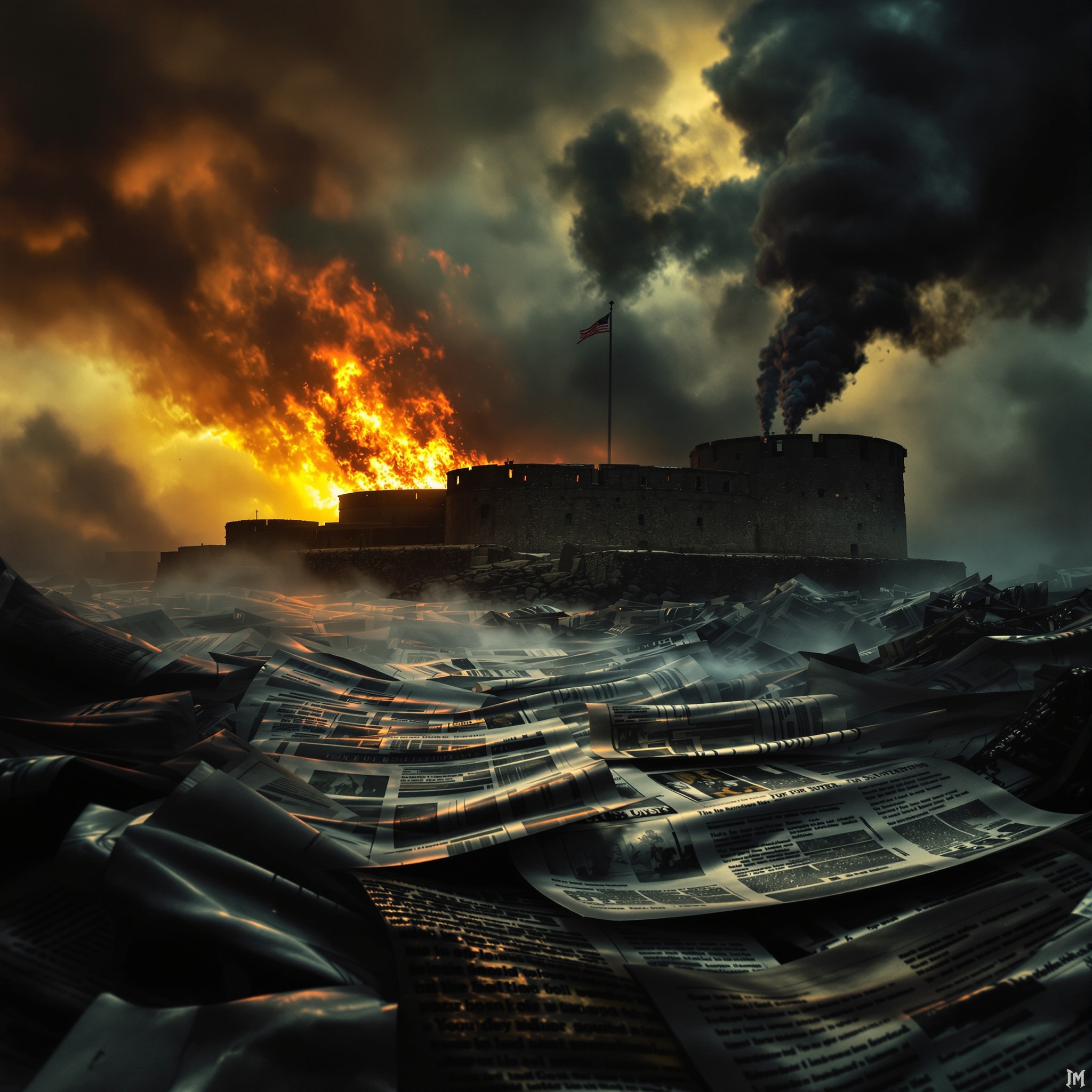
02 · Male vocalRoots Americana
Fort Sumter in the Sunday Paper cover art

Fort Sumter in the Sunday Paper

Verse 1
Sunday paper, April ink damp
The headline spread across the table where we prayed
My thumb pressed flat against the column of names —
Fort Sumter fell and the room came off its hinge
Church bells had gone quiet for an hour
Elias filled the frame, mud across his boots
He didn't cross the sill, he didn't speak —
He stood the way you stand when the choosing's already done
Pre-Chorus
The season tilted under me
The way a field knows March before the thaw
Chorus
This field has to be plowed
Whether a man is willing or not
The earth don't ask what a man can afford —
You put the seed down when the season calls
Verse 2
I thought of Caleb, thought of the Harding boys
Men I'd stacked hay with through every August noise
One by one I laid them against my mind
And knew before I finished I was standing in that line
Margaret would come in from the hen house and read it
I didn't want to be the one to say the words
So I set it on the Bible, let the pages hold it —
Some news belongs to God before it belongs to us
Bridge
Ten years before, my father showed me how a field resists —
How you push the blade down anyway — and the earth gives
He said some work asks you before you're ready
I was twelve years old and I thought he meant the ground
Chorus
This field has to be plowed
Whether a man is willing or not
The earth don't ask what a man can afford —
You put the seed down when the season calls
Final Chorus
This field has to be plowed
Whether a man is ready or not
The earth don't ask, when the light goes blue at the edges —
I folded the paper and I set it on the Book

Make this in Suno

Solemn male vocal, awe-struck roots Americana. Slow, heavy acoustic strumming, deep resonant upright bass, mournful distant fiddle. Weathered, gravelly male lead, close-mic, intimate and grave. Building tension, subtle foot-stomp percussion, swelling pedal steel in the background. Cinematic folk, dusty, atmospheric, heavy emotional weight, sparse arrangement, haunting, historical storytelling.

Paste the style into Suno’s style field and the lyrics above into the lyrics box — the section markers and performance directives are Suno-ready.
03 · Female vocalSparse folk
The Blue Coat on the Peg cover art

The Blue Coat on the Peg

Verse 1
She hung it on the peg the night before —
blue wool against the dark of the hall.
Morning found her there at the door,
needle threaded, back straight, shoulders braced.
Refrain
Blue coat on the peg by the door,
Thomas-not-Thomas, rigid and worn.
She will not weep. She has been here before.
The coat remembers his shape. Her hands move on.
Verse 2
She sewed that button tighter than it needs —
her hands working where her voice abandons her.
The shoulders let out for the man he's grown to be,
the boy still pinned in the hem.
Refrain
Blue coat on the peg by the door,
Thomas-not-Thomas, rigid and worn.
She will not weep. She has been here before.
The coat remembers his shape. Her hands move on.
Verse 3
The light came gray and thin across the floor.
She did not look at what the door let in.
She kept her eyes on thread, on buttonhole,
on one more knot — the habit her mother stitched in her.
Refrain
Blue coat on the peg by the door,
Thomas-not-Thomas, rigid and worn.
She will not weep. She has been here before.
The coat remembers his shape. Her hands move on.
Final Refrain
Blue coat off the peg, out the door.
The hall is quiet. Cold. The morning stings.
She does not watch. She has been here before.
The empty peg is all that morning brings.

Make this in Suno

Haunting female vocal, deep melancholy sparse folk. Lone, muted acoustic guitar or felt piano, extremely minimal arrangement. Breathless, intimate female lead, close-mic, fragile but resolute. Vast sonic space, heavy reverb on the vocal, no percussion. Ghostly, sorrowful, Appalachian gothic undertones, raw emotion, quiet devastation, acoustic emptiness, stark and beautiful.

Paste the style into Suno’s style field and the lyrics above into the lyrics box — the section markers and performance directives are Suno-ready.
04 · Male vocalNebraska-style Americana
Three Hands Short of Harvest cover art

Three Hands Short of Harvest

RECITATIVE
The corn is in.
Elias done now — shoulders low.
James brought in the horse alone,
fourteen years and didn't ask.
ARIA
Row after row in August heat I wrenched the earth that Thomas left—
the plow struck flint and sang a note I have no name for.
James behind me, wrists too narrow for the traces.
I feel him there and do not turn.
ARIOSO
Two chairs at supper no one fills.
Six fence posts on the eastern line gone soft.
The Halsey boy went west in April.
I fix the posts because the posts need fixing.
ARIA II
Bent back at dusk, the field I broke gone dim—
I sit the rail and will not go inside.
I will not let him see me reach for the rail,
and James comes out, and stands, and does not speak.
RECITATIVE II
I do not kneel.
I do not know the words.
I watch the dark come down the hill—
my jacket draped across the fence post,
and wait.

Make this in Suno

Gravelly male vocal, profound grief, dark sparse Americana. Lone acoustic guitar, mournful distant harmonica, no percussion. Deeply weathered, exhausted male lead, close-mic, spoken-word cadence blending into melody. Dusty, desolate, cinematic loneliness, raw and unpolished, heavy emotional resonance, stark acoustic folk, haunting room tone, intimate and devastating.

Paste the style into Suno’s style field and the lyrics above into the lyrics box — the section markers and performance directives are Suno-ready.
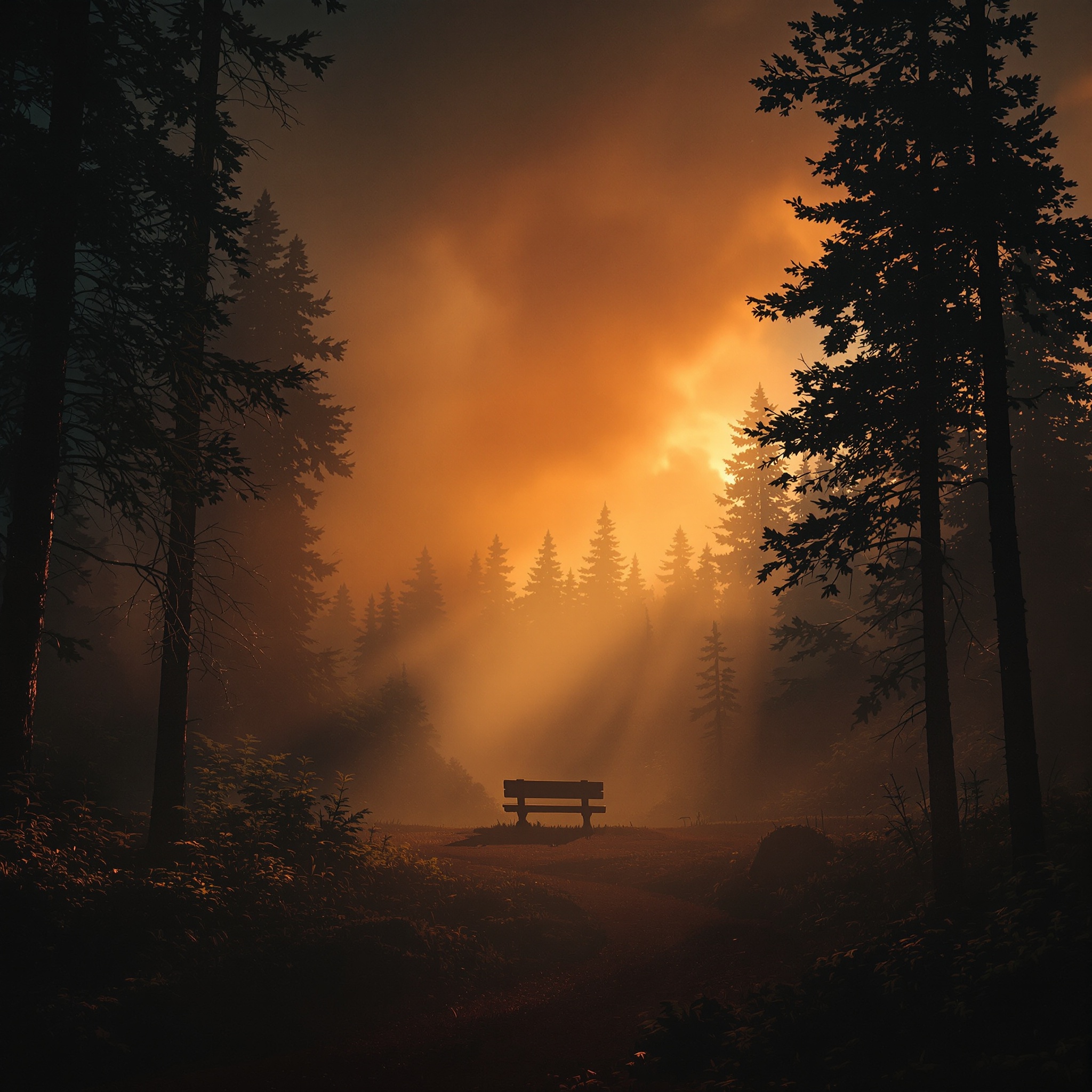
05 · Male vocalAcoustic folk
Letters from Camp cover art

Letters from Camp

Verse 1
The weather here is cold but we are keeping well enough
The regiment is rested and the road ahead is not so rough
I write to you from camp, the candle burning low
(the cold doesn't come through the canvas walls so much as it rises
up from underneath, through the ground itself, as if the earth is the
thing that is cold and the air is just borrowing from it)
There is a man named Abraham who bunks across the way
We played a hand of cards last week and I forgot to pay
Pre-Chorus
I keep meaning to square it up
The debt is small, the man was kind
I keep meaning to —
Chorus
I owe him four cents
The only true line in this letter
(Abe's bedroll is folded. Someone folded it and it was not Thomas.)
I owe him four cents
Verse 2
We numbered nineteen men when we came down from the ridge
We numbered eleven when we crossed back over the bridge
I write this in my best hand, Mother, do not be afraid
(the arithmetic of what a man is worth — at the end, when the ground
is frozen and the candle is going down — is four cents, and Thomas
would take considerably less to have him back)
The regiment is rested, the road ahead is clear
I keep writing things I know are not true, and sign my name
Pre-Chorus
I keep meaning to square it up
The pen keeps stopping on Abraham
I keep meaning to —
Chorus
I owe him four cents
The only true line in this letter
(Abe's bedroll is folded. Someone folded it and it was not Thomas.)
I owe him four cents
Bridge
(I looked for him at roll and then I remembered)
The body does the thing the mind knows not to do
I turned to tell him something —
I don't remember what
The bay horse doesn't know
Margaret's quilt doesn't know
The candle is going down
Outro
(I owe him four cents)
The letter folds in half
He does not finish it

Make this in Suno

Intimate male vocal, deep melancholy acoustic folk. Fingerpicked acoustic guitar, subtle low drone, ambient wind texture. Soft, breathy, vulnerable male lead, close-mic, almost whispering. Extremely sparse, no drums, just the wood and strings. Haunting, isolated, cold atmospheric folk, emotional fragility, raw storytelling, quiet devastation, cinematic intimacy, stark and beautiful.

Paste the style into Suno’s style field and the lyrics above into the lyrics box — the section markers and performance directives are Suno-ready.
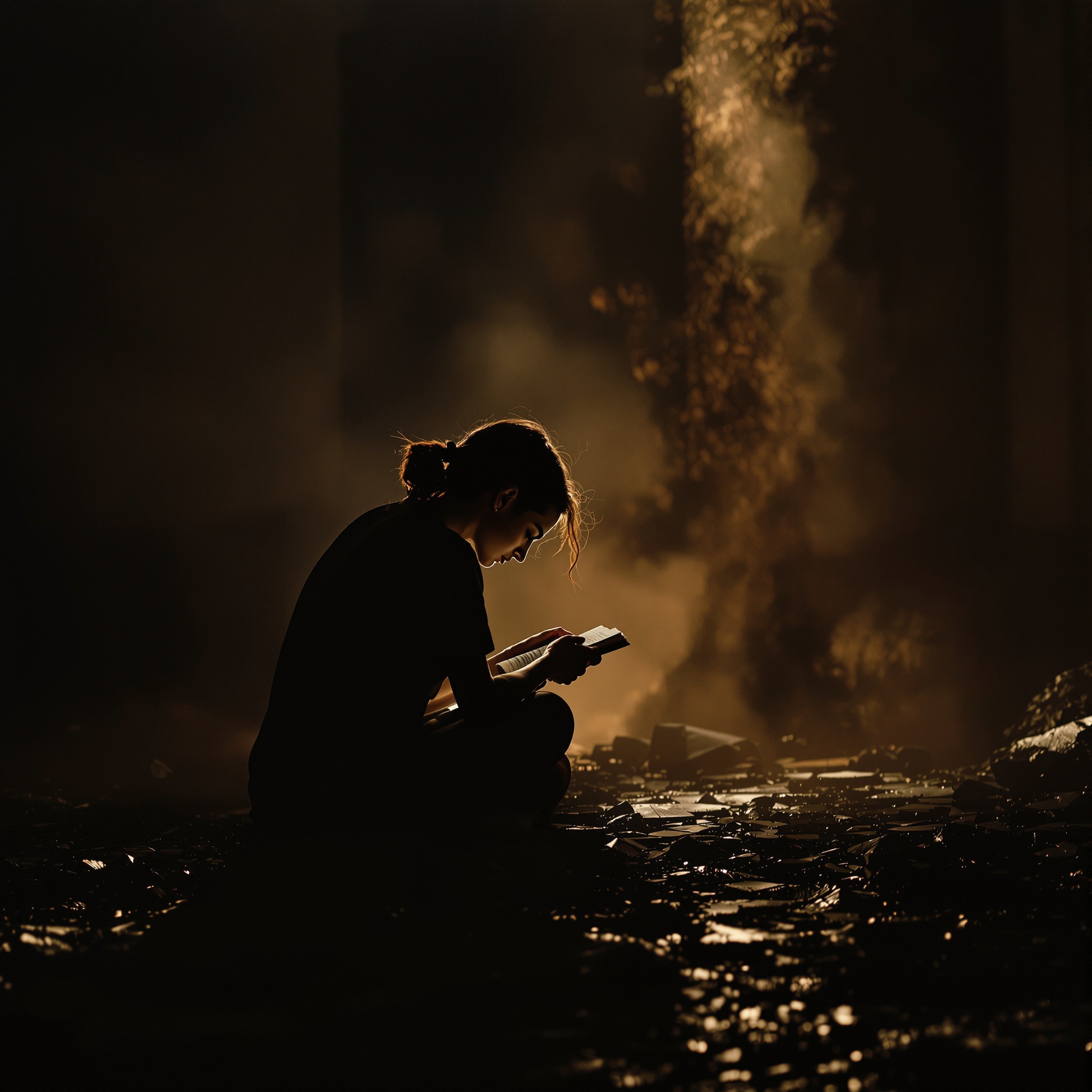
06 · Female vocalSparse piano folk
Mother Reads the Names cover art

Mother Reads the Names

Aldrich — gone
Barrett — gone
Crane — gone
Hayes — gone
Miller — gone
Sutton, who sat at her table
Pierce, who chased her hens
Wallace, who carried the water
Morgan, who knew her bread before the bell
The list runs down to Thomas
The page gives up its place
The hand finds no Thomas
Lamp burns and does not know it
She lifts the plate
She sets the plate
Thomas's chair at the table
Her palms do not pull it in
She sets the plate — she does not move it
Lamp burns low — she does not turn away
This is what hope is now:
the seconds — then the seconds —
not that he returns —
she keeps the place — she keeps

Make this in Suno

Sorrowful female vocal, profound grief, sparse piano folk. Muted felt upright piano, slow rhythmic chords, subtle cello drone. Clear, trembling female lead, close-mic, fragile and restrained. Minimalist arrangement, vast empty space, no percussion. Melancholic, haunting, emotional weight, acoustic intimacy, stark and devastating, slow tempo, ghostly atmosphere, raw vocal performance.

Paste the style into Suno’s style field and the lyrics above into the lyrics box — the section markers and performance directives are Suno-ready.
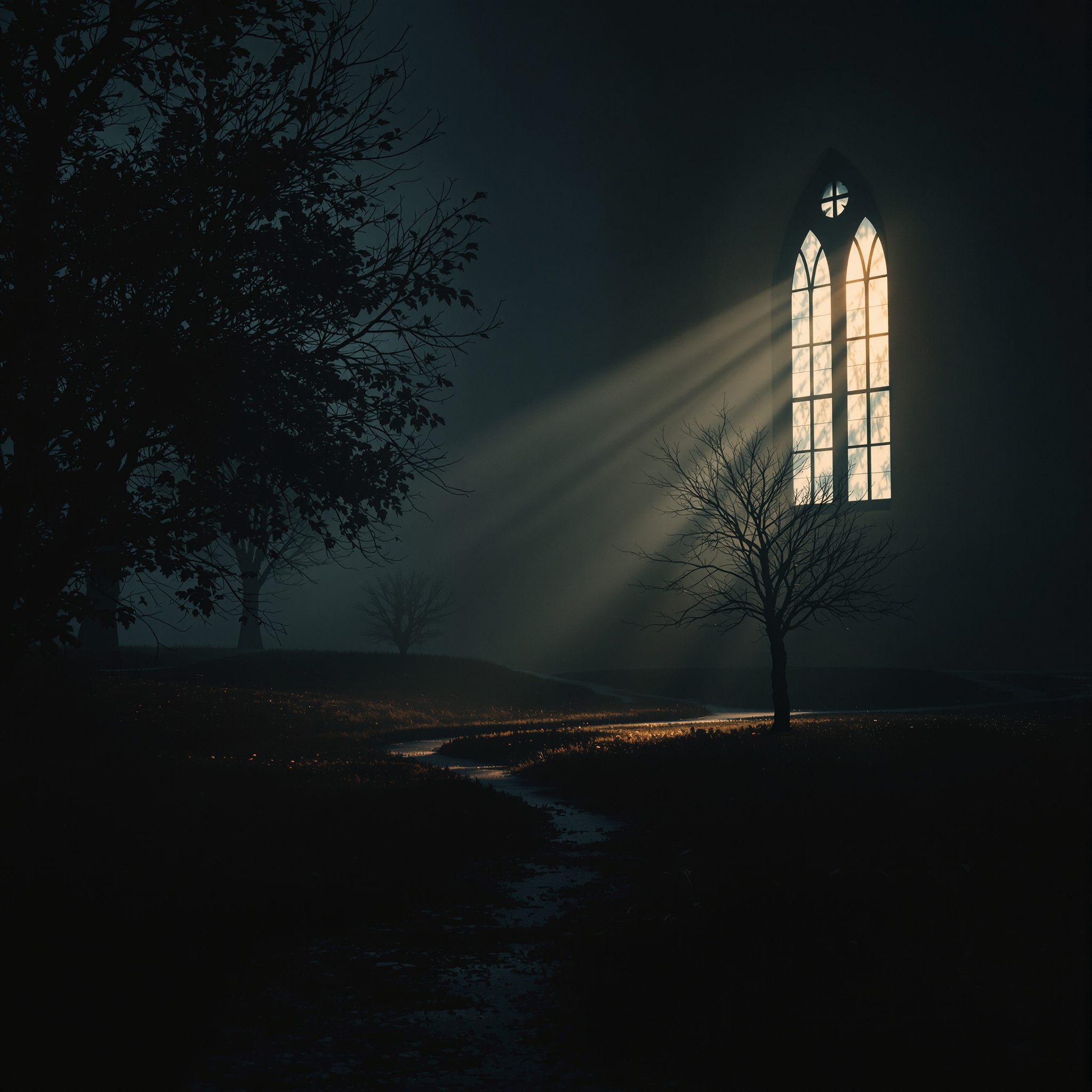
07 · Female vocalDriving folk-Americana
The Daughter at the Church Hall cover art

The Daughter at the Church Hall

Verse 1
I roll the linen tight and smooth the fold down flat
The deacon speaks of God's design — I don't say back
A boy from Chester County reaches for the spoon —
his right hand shakes like wood that cracked too soon
Verse 2
I've read the pamphlets — folded small against my dress
The words tear through the sermon like a blade through flesh
He says the Lord is testing us, I know the cost
That hand won't close again — something taken, not just lost
Chorus
This is not a plan — this is a wound in a hand
This is not the Lord's design — this is what men command
I will roll my bandages and I will keep my place
But I have seen the war — and I will not look away
Verse 3
The deacon says be patient — I watch Samuel try
To lift a tin of broth before the warmth goes by
I've read enough to know the weight of what I hold —
they call it mercy. I have read it cold.
Bridge
"The Lord permits what He ordains" — that's what he said
I looked at Samuel's hand and named it in my head
Not punishment, not providence — a wound. A wound.
The linen's in my fist. My jaw locked. I won't fall.
Final Chorus
This is not a plan — this is a wound in a hand
This is not the Lord's design — this is what men command
I will roll my bandages and I will keep my place
But I have seen the war — and I will not look away

Make this in Suno

Fierce female vocal, quiet defiance, driving folk-Americana. Rhythmic acoustic guitar strumming, steady upright bass, subtle brushed snare, stomping foot percussion. Strong, grounded female lead, close-mic, resolute and angry but restrained. Building momentum, dark roots, cinematic tension, raw energy, organic instrumentation, dusty Americana, emotional intensity, storytelling groove.

Paste the style into Suno’s style field and the lyrics above into the lyrics box — the section markers and performance directives are Suno-ready.
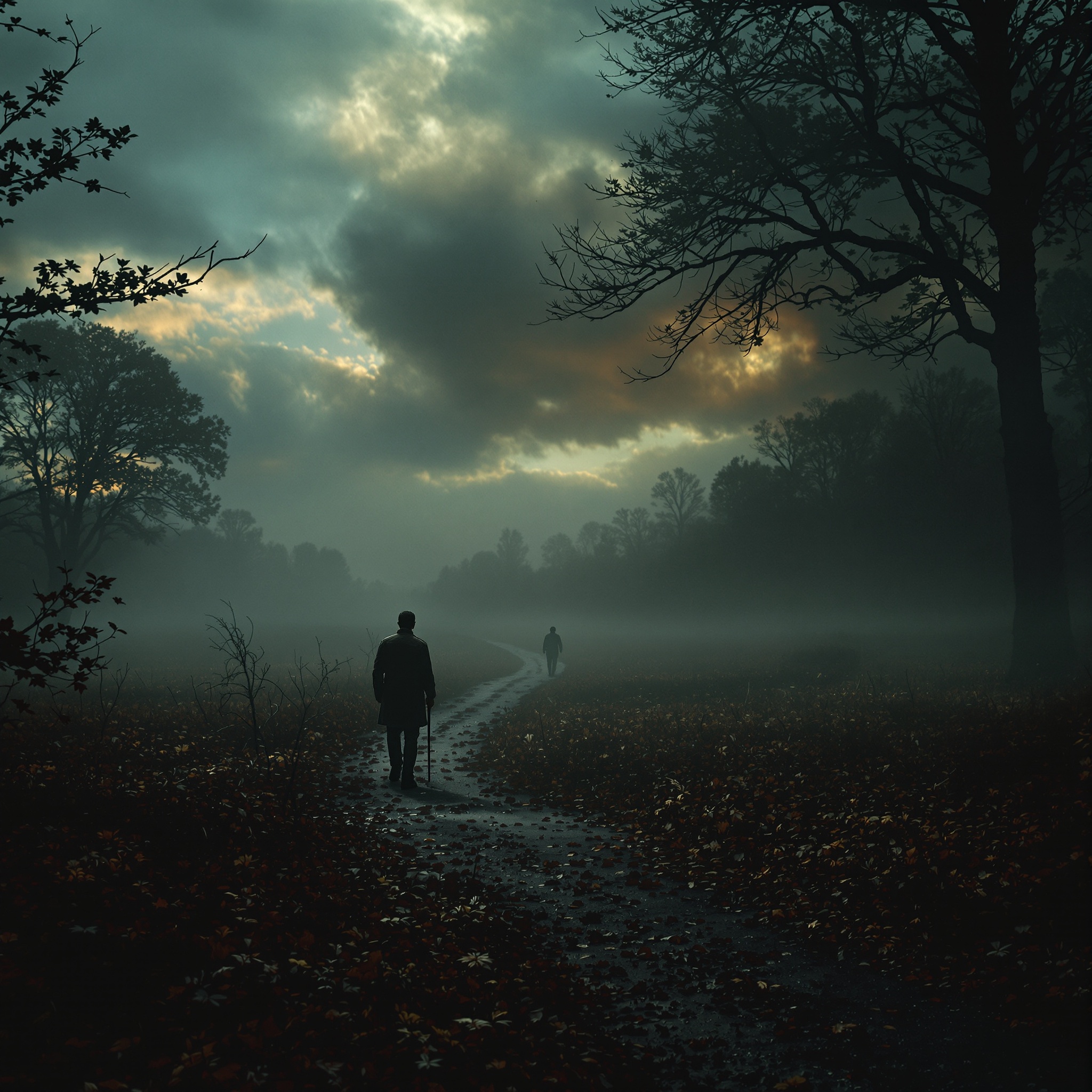
08 · Male vocalCinematic Americana
Gettysburg Was Only Miles Away cover art

Gettysburg Was Only Miles Away

Verse 1
Climbed the ridge at dawn, the sky a low gray hum
Forty miles due south, I counted every drum
Ma said it was thunder — Ma had to say something.
I stood up top. I would not call it thunder.
Verse 2
Down below the road, the wagons kept on rolling
A woman gripped a birdcage, empty, no door closing
She didn't stop, she didn't look — she walked like someone running.
I watched her go. The dust rose up. She was gone.
Chorus
Blood on the well handle, rust-red on the floorboards
He asked for water — I gave it — then he said the name
One word: Gettysburg — and the thunder wasn't thunder
The war stopped being somewhere else that day
Verse 3
He came up the lane — one boot gone, one boot dragging
I said: where'd you come from? His jaw was working, flagging
He swallowed once — the kind of swallow takes the whole neck.
Then: Gettysburg. That's all. He drank.
Bridge
I'd heard the name in Father's newspaper, in Clara's prayers
I'd traced it on a map beside the stairs
But maps don't bleed — and prayers don't weigh what I felt in the iron
The cage was empty on the road because the bird was gone
Chorus
Blood on the well handle, rust-red on the doorframe
He asked for water — I gave it — then he said the name
One word: Gettysburg — and the thunder wasn't thunder
The war stopped being somewhere else that day

Make this in Suno

Gravelly male vocal, awe-struck, cinematic Americana. Acoustic guitar, swelling pedal steel, distant marching snare, low cello. Weathered male lead, close-mic, urgent and grave. Building atmospheric tension, wide sonic landscape, dusty and epic but grounded in folk roots. Heavy emotional weight, historical storytelling, raw and unpolished, haunting, dramatic acoustic arrangement, sweeping but intimate.

Paste the style into Suno’s style field and the lyrics above into the lyrics box — the section markers and performance directives are Suno-ready.
09 · Duet + choirHymn-influenced folk
We Hold What the War Won't Carry cover art

We Hold What the War Won't Carry

Verse 1
The poker's bent where my father gripped it —
I use it now to settle coals before they come
January finds the glass and won't come past
Cold enough to count
I brush the chalk dust from my sleeves and open the green book
Chorus
We hold what the war won't carry
Nora's palms against the wood
The names we weren't supposed to keep
Verse 2
They come in from the mill-road cold, jackets on
Some bring a name on paper, some just carry it
There's a chair we set regardless
Nora sits across, and when the name lands in the room —
her palms go flat against the table
as if the wood has to carry it too
Chorus
We hold what the war won't carry
Nora's palms against the wood
The names we weren't supposed to keep
Bridge
Not for the ones who sent them
For the ones who didn't choose
There's a choir in the ribs of everyone who came today
It doesn't sing — it keeps
Chorus
We hold what the war won't carry
Nora's palms against the wood
The names we weren't supposed to keep —
and the ones that didn't make it to a page
Outro
We hold
We hold
The names we weren't supposed to keep

Make this in Suno

Male and female duet, solemn awe, hymn-influenced folk. Slow acoustic guitar, deep upright bass, subtle distant choir humming, resonant room acoustics. Weathered male and grounded female voices blending in close harmony. Reverent, heavy, spiritual but secular, vast atmospheric space, no heavy percussion, just a slow foot stomp. Haunting, cinematic roots, emotional depth, raw and organic.

Paste the style into Suno’s style field and the lyrics above into the lyrics box — the section markers and performance directives are Suno-ready.
10 · Female vocalSpare folk elegy
The Letter That Came Too Late cover art

The Letter That Came Too Late

RECITATIVE
The hand on this — it isn't Thomas's.
A colonel's name, a regimental seal.
I set it on the table, picked it up —
The Wilderness, he writes. The fifth of May.
Six weeks since then — a ward in Washington.
The hand on this — it isn't Thomas's.
He could not hold the pen, the colonel writes.
He may not hold a pen again.
ARIA
Thomas — in a bed in Washington.
Thomas — and I did not know.
Six weeks of mornings I cut bread at the table.
Six weeks of mornings, no fear in the house.
I read the empty post box as reprieve.
Thomas — in a bed in Washington.
I thanked God for every quiet morning.
Thomas — and I did not know.
Bridge
"He bore his wound without complaint, ma'am,
until the fever came and took the pen from him —"
ARIOSO
Each morning that I gave thanks was a morning I was wrong.
All those weeks I woke without the ache —
I banked each quiet morning against the worst —
and all the while, the worst was being paid by him.
The emptiness I called mercy was not mine.
He lay there in the ward and could not call it —
Each morning that I gave thanks was a morning I was wrong.
All those weeks — all those mornings — God —

Make this in Suno

Heartbroken female vocal, profound grief, spare folk elegy. Lone fingerpicked acoustic guitar, subtle weeping fiddle in the distance. Clear, trembling female lead, close-mic, raw and breaking. Extremely minimal arrangement, vast empty sonic space, no percussion. Devastating, haunting, acoustic intimacy, slow tempo, emotional fragility, stark and beautiful, quiet devastation, raw vocal performance.

Paste the style into Suno’s style field and the lyrics above into the lyrics box — the section markers and performance directives are Suno-ready.
11 · Duet + choirAmericana roots
April 1865 cover art

April 1865

Verse 1
The fields are quiet — I've never heard such quiet
The road runs on like it always has —
four years I watched it for him up that hill.
He's on the step below me. He is right there.
Verse 2
Two Sundays back the bells rang and I wept
I pressed my apron to my mouth and wept
This morning they rang again — I stood and kept
My palms pressed flat against the table. Kept.
Chorus
Both rings were real
Both rings were grief
One rang for ending — one rang for the thief
The bell don't choose what it is ringing for
It swings and tolls, and tolls and swings once more
Bridge
Thomas sits on the step with his hand wrapped in cloth
He is looking past the fence at the field going dark
We don't know what our faces are supposed to do
Joy has a shape — and this is not that shape — and we are standing in the space it left
Final Chorus
Both rings were real
Both rings were grief
One rang for ending — one rang for the thief
The bell don't choose — it only swings
We stood on this porch and felt both things

Make this in Suno

Male and female duet, complex melancholy, Americana roots. Slow acoustic strumming, muted piano, subtle upright bass. Weathered male and soft female voices, close-mic, tired and intimate, singing slightly apart then blending. Nostalgic but heavy, dusty acoustic folk, emotional restraint, vast sonic space, no heavy percussion, haunting, raw, unpolished, bittersweet storytelling.

Paste the style into Suno’s style field and the lyrics above into the lyrics box — the section markers and performance directives are Suno-ready.
12 · Female vocalAcoustic folk elegy
What the Field Remembers cover art

What the Field Remembers

The corn came back — I watched it come,
row by row, the green returning.
Margaret's wrists are thinner than they were.
What does the field carry that we do not name?
Elias plowed the same furrow twice that spring,
the mule confused by his stillness.
Margaret read James's letter at the window —
the paper shook, not her.
Thomas laughed at supper — once, at nothing —
and my jaw locked before I knew why.
The coat on the peg is not his coat.
What waits in the gap between kitchen and yard that we cannot say?
Nora asked once: did the republic keep its word?
The biscuits passed, the lamp stayed low.
No one answered — that was the answer.
We ate around the question the second time too.
The chair at the table is set.
The plate waits.
We draw our chairs in and we eat —
the corn has come back and does not know us,
and what will not come back
sits at the table with us.
Coda
What the field carries, it carries without grief —
that is the lesson
the field did not ask to teach.

Make this in Suno

Soft female vocal, quiet tenderness, acoustic folk elegy. Gentle fingerpicked acoustic guitar, distant ambient nature texture, subtle cello drone. Breathless, intimate female lead, close-mic, fragile and reflective. Extremely sparse, fading arrangement, vast empty space, no percussion. Peaceful but sorrowful, haunting, cinematic intimacy, raw and organic, slow tempo, beautiful and devastating, acoustic emptiness.

Paste the style into Suno’s style field and the lyrics above into the lyrics box — the section markers and performance directives are Suno-ready.