Dust and Breath
Twelve encounters with the human cost of faith, from the first morning to the empty tomb.
A person wakes into consciousness without language—hands touching bark, feet finding ground—and the world splits open with presence; then shame arrives, and hiding, and the long years of building what was commanded without understanding why; then the terrible arithmetic of faith—counting stars that will never add up, burning bushes that demand a name, seas that part but leave you walking on ground that was never meant to hold weight; through all of it runs a thread of women and men saying yes to roads they cannot see, choosing devotion over safety, until finally a garden at night where even the yes dissolves into a cup that will not pass, into three times of asking, into the stone that was supposed to seal everything—and then the stone is gone, the body is not there, and a woman comes to tend the dead and finds instead that the door has already opened, that the work of love has been finished by hands she cannot see.
Loading…
Space play/pause · ← → seek 5s · J/L seek 10s · M mute · N/P next/prev
The First Breath
Make this in Suno
Cinematic chamber folk, through-composed form with no repeating sections. Deep male baritone, nearly spoken in recitative passages, swelling to full chest voice in aria, stripped bare on final syllable. Instrumentation: solo cello as primary melodic voice, low string quartet entering in arioso, sparse acoustic bass, no percussion throughout. Production: intimate close-mic recording with natural room reverb, no compression on vocals, cello bowing audible. Tempo: slow ballad, approximately 52 BPM. Key: D minor. Dynamic arc: opens near silence with speech-song, floods to full strings and voice in aria, then strips entirely to single unaccompanied male voice on final word. Atmosphere: pre-dawn, red earth, cedar, the feeling of the world before it had a name. No drums. No electric instruments. The silence between phrases carries equal weight to the sung lines. Cinematic, sacred, ancient.
Paste the style into Suno’s style field and the lyrics above into the lyrics box — the section markers and performance directives are Suno-ready.
Where Are You?
Make this in Suno
Folk orchestral chamber, sacred narrative, through-composed, no chorus structure, contemporary classical folk fusion. Female soprano and male baritone duet, unharmonized overlapping in the central convergence section, soprano intimate and unadorned, baritone low and deliberate like footsteps on packed earth. Cello-led chamber strings, sparse pedal tones held through long rests, no percussion, no electric instruments. Acoustic double bass anchors the low register. Solo violin enters only at the question moment, a single sustained note without resolution. Production is sparse, dry, close-mic vocal with minimal reverb — intimate sanctuary acoustic, not cathedral. Tempo: slow ballad, approximately 52 BPM, 4/4 time. Key: D minor. Dynamic arc: begins at near-silence, builds to baritone and soprano converging on the question, then drops to single baritone voice with cello alone for the final se
Paste the style into Suno’s style field and the lyrics above into the lyrics box — the section markers and performance directives are Suno-ready.
Rain Before Rain
Make this in Suno
Americana folk with orchestral country production. Deep male baritone lead vocal, unhurried and chest-forward, declarative phrasing with full stops honored. Tempo: 76 BPM, 4/4 time signature. Key of D major. Instrumentation: dry acoustic guitar (no reverb on body, only slight room on strings), upright bass walking the downbeats, single struck wood block doubling the mallet pulse on every quarter note. Fiddle enters at the chorus — not ornamental, sustained long tones beneath the hook. Pedal steel enters V2, hovering on open fifths, never resolving. Orchestral strings arrive at the bridge, half-time feel, one sustained chord held through the brother's dialogue line, dropping to near-room-tone before the mallet re-enters. Final chorus adds full ensemble including low brass sustain on the tonic. Spatial feel: large room, natural reverb, close-mic'd vocal. Dynamic arc: verse intimate and dry
Paste the style into Suno’s style field and the lyrics above into the lyrics box — the section markers and performance directives are Suno-ready.
Count the Stars
Make this in Suno
Intimate biblical chamber-folk duet set beneath an open desert sky. Abraham: weathered low baritone, gentle but uncertain, carrying faith that has been tested by years. Sarah: warm, expressive mezzo-soprano with restrained anger, tenderness, and exhaustion; her laughter should feel wounded, not playful. Begin with sparse felt piano, fingerpicked nylon-string guitar, low cello, distant frame drum, and subtle wind across canvas. Keep the verses close-mic’d and nearly conversational, with long pauses and audible breath. The shared refrain should rise in close harmony—aching, spacious, never triumphant—with soft strings entering only gradually. At “She laughs. Not for joy,” pull the music back to near silence. Build the bridge through layered cello and wordless harmonies, then let the final refrain feel fragile but enduring. End with Sarah alone, almost whispered: “I did not believe. I looked anyway.” No modern pop drums, no worship-band swell, no Broadway belting, no cinematic trailer choir—human, ancient, intimate, unresolved, sacred.
Paste the style into Suno’s style field and the lyrics above into the lyrics box — the section markers and performance directives are Suno-ready.
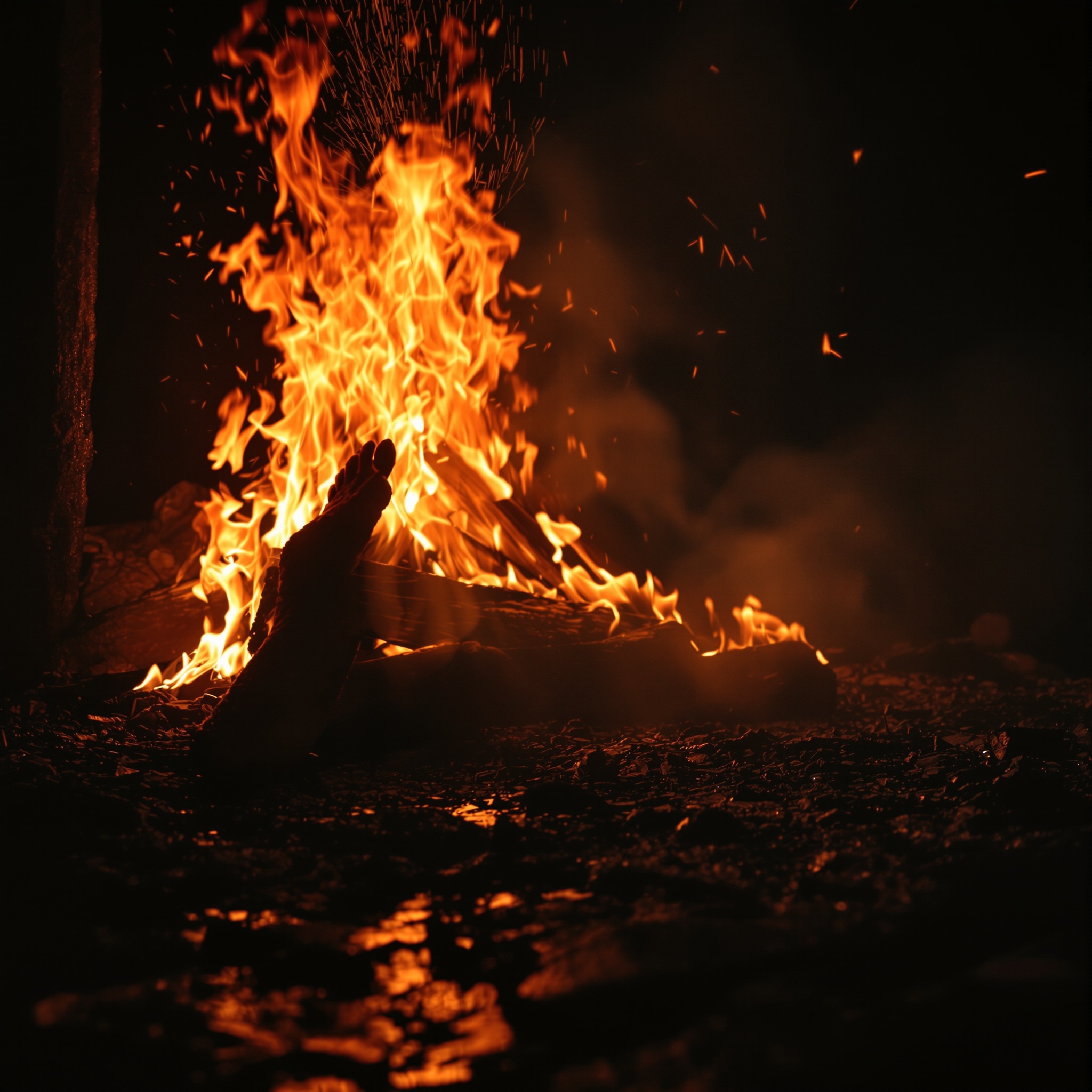
Barefoot Before the Fire
Make this in Suno
Cinematic folk-orchestral, ancient-world texture, Track 5 of 12 in a production arc darkening from the previous track's warmth. Sparse oud playing single sustained notes beneath the verse, frame drum entering at half-time on the second verse with a dry, close-mic'd skin sound — no reverb tail on the drum, intimate. Orchestral strings present but recessed, providing harmonic drone rather than melody. No fingerpicked acoustic guitar as primary voice. Male baritone vocal, dry and unornamented in the verses, slightly more resonant on the chorus vowel peaks. Instrumental bridge 8 bars: oud and frame drum only, no vocal, the melody suspended mid-phrase. Production sits darker and denser than Track 4 but has not yet reached the full orchestral swell of Track 6. Tempo mid, 4/4, key of D minor or E Phrygian for ancient-world modal color. Atmosphere: exposed, dry, mid-afternoon desert heat. No rev
Paste the style into Suno’s style field and the lyrics above into the lyrics box — the section markers and performance directives are Suno-ready.
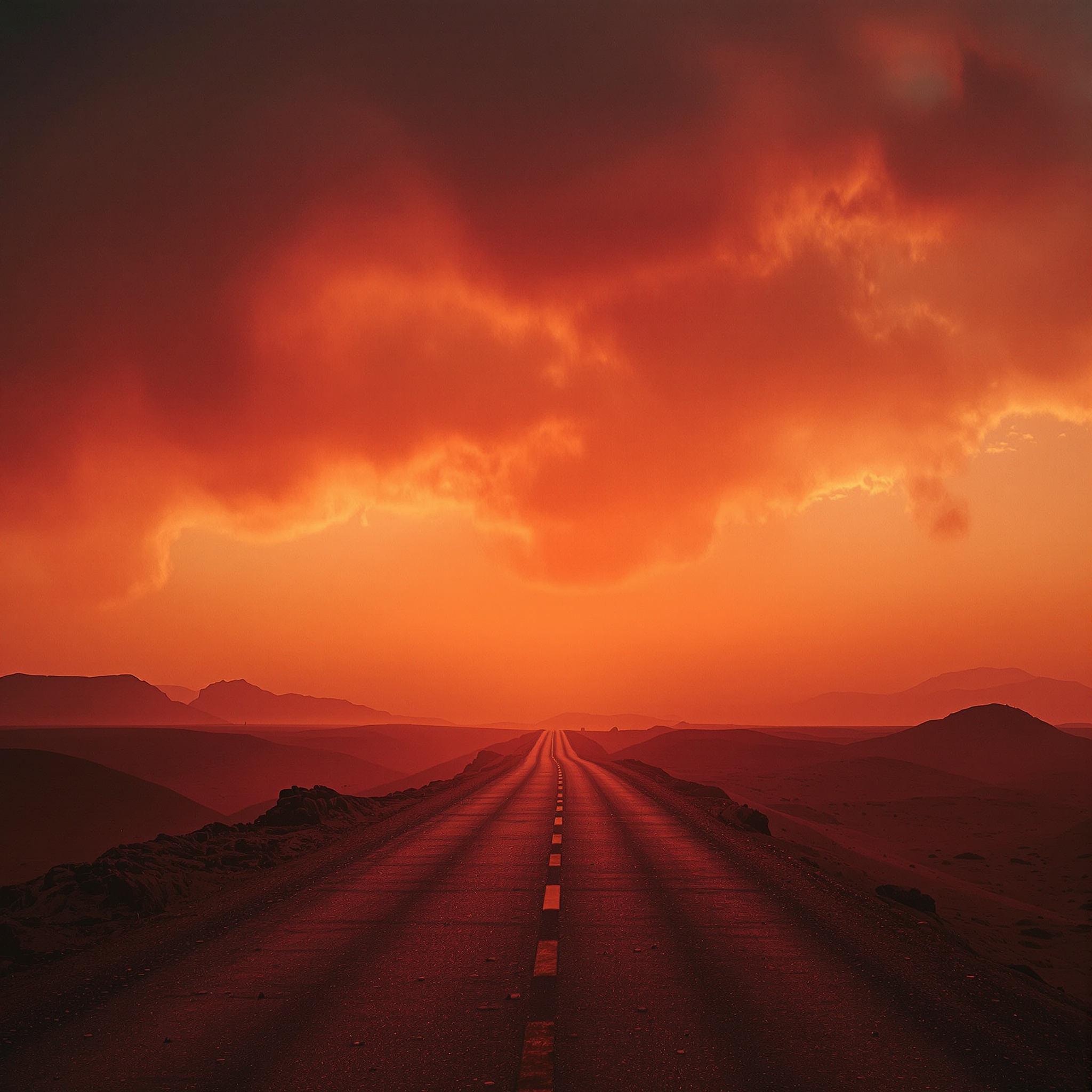
The Red Sea Road
Make this in Suno
Cinematic orchestral folk, ancient-world sacred, female soprano-alto lead vocal with wide dynamic range, verses intimate and held-breath with sparse oud and frame drum undertow, chorus swells into the album's first full orchestral moment — massed strings ascending, low brass holding the harmonic floor, tympani entering on 'wet clay that was never land,' pedal point in cellos throughout the chorus sustaining geological tension; bridge strips to voice and single sustained duduk note, staccato delivery over near-silence, frame drum re-entering on the final bridge line; final chorus reintroduces full orchestral palette with added vocal harmonies entering on 'But the other shore is real,' building to a climactic unison on 'And the corridor is sealed'; reverb is large and ancient — cathedral stone with long decay, not contemporary worship plate; BPM approximately 76 uptempo with a walking-puls
Paste the style into Suno’s style field and the lyrics above into the lyrics box — the section markers and performance directives are Suno-ready.
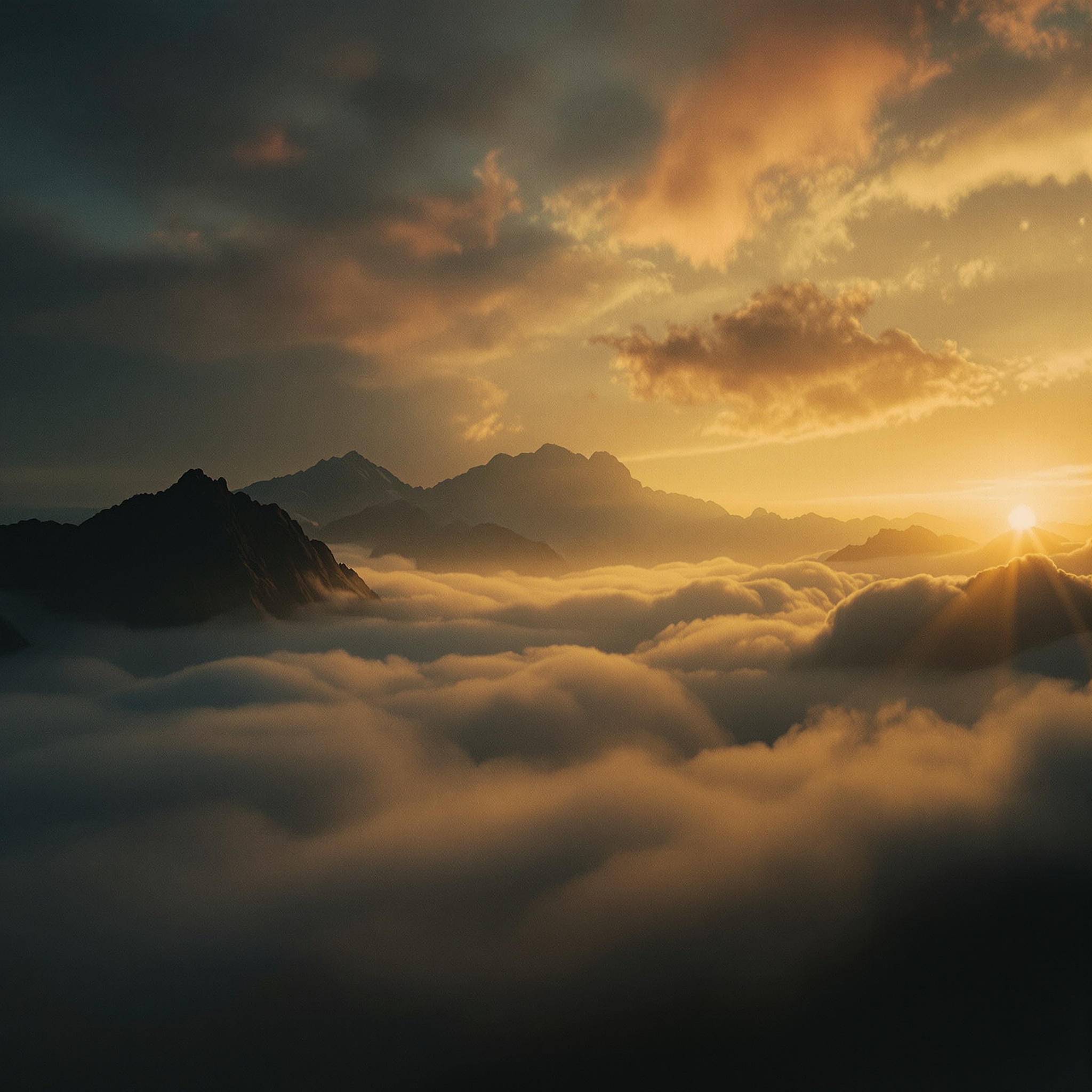
Where You Go, I Go
Make this in Suno
Intimate folk ballad, violin and acoustic guitar, female alto vocal, sparse chamber folk texture, slow walking tempo around 60-66 BPM, 4/4 time, key of D minor or E minor. Opening is solo female voice with single plucked guitar — no percussion, no bass until the ARIA. Violin enters at ARIOSO with long sustained tones between vocal phrases, never ornamental. At the ARIA, guitar adds gentle fingerstyle underneath sustained violin; the stone-line lands in near-silence. The DUET section drops to voice and single guitar note per bar. Bridge is voice almost alone — violin barely audible, high and thin, one note per breath. Final couplet returns to opening texture: guitar, voice, violin fading. No reverb wash — dry room acoustic, intimate. Production ethos closer to early Gillian Welch than contemporary CCM. Female vocals front and center, unprocessed, no harmony stacking. Emotional arc moves f
Paste the style into Suno’s style field and the lyrics above into the lyrics box — the section markers and performance directives are Suno-ready.
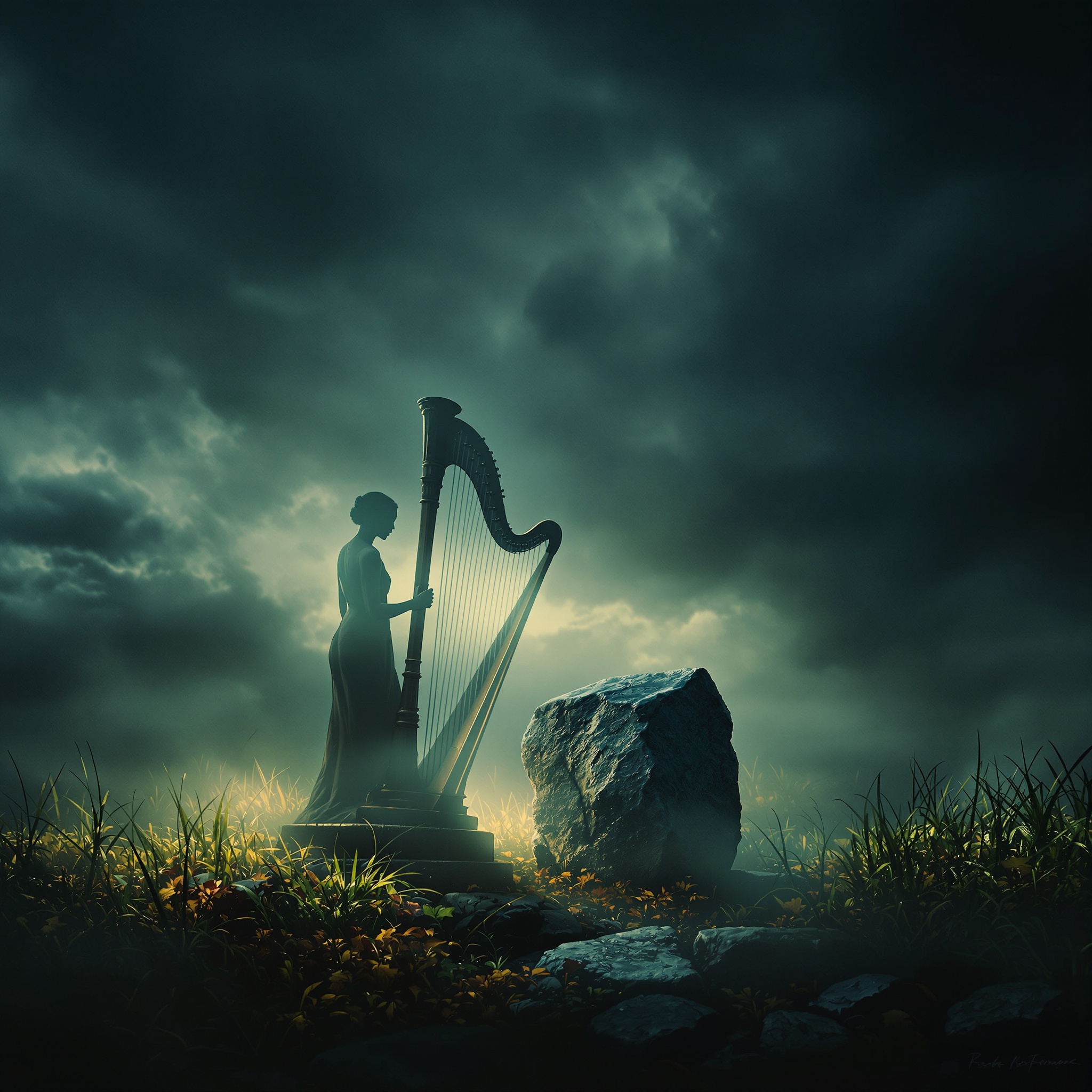
The Harp and the Stone
Make this in Suno
Dark biblical chamber-folk confessional led by a weathered male baritone: intimate, low, morally exhausted, never theatrical. Start with sparse fingerpicked acoustic guitar, felt piano, low cello, distant frame drum, and subtle ancient lyre texture. Build the chorus into a grave, memorable refrain with restrained male harmonies—more accusation than anthem. Let “Harp and blood” land heavily, with silence around the final words. At the bridge, strip back to piano, bowed cello, and close-mic’d voice, as if David is alone with the stones and the letter. Final chorus grows with tense strings and muted drums, then ends unresolved. No worship-band lift, no pop beat, no heroic battle music, no Broadway vocals—ancient, haunted, human.
Paste the style into Suno’s style field and the lyrics above into the lyrics box — the section markers and performance directives are Suno-ready.
Still Small Voice
Make this in Suno
Cinematic folk-orchestral, Track 9 of 12 in an album arc, sparse ambient folk. Near-total silence production: deep male baritone, spoken-sung delivery, baritone register with minimal vibrato in opening sections, full resonance on the central question. Single sustained cello or bowed string drone, barely audible — one note held for the duration, no melody, just presence. No percussion. No guitar. No oud or frame drum (those have exited the album at this track). Room ambience only: the sound of a stone space, reverb suggesting desert stone or a bare chamber, not digital or synthetic. Long breath silences between lines — Suno should interpret line breaks as held pauses, not fill them. Voice sits forward in the mix, dry, intimate. The sustained string note sits far back, almost imagined. Dynamic arc: whisper-adjacent opening, slight resonance increase on the DUET question, return to near-whi
Paste the style into Suno’s style field and the lyrics above into the lyrics box — the section markers and performance directives are Suno-ready.
Let It Be to Me
Make this in Suno
Orchestral folk worship, cinematic sacred, Track 10 of 12 in a continuous album arc. Female soprano lead vocal, young and unguarded, conversational verse delivery rising to open-throat full voice on chorus peaks. Verse production: intimate acoustic guitar, solo cello, sparse room ambience — no choir, near-silence from Track 9 carrying forward. Pre-chorus: low orchestral strings begin to swell, frame drum enters underneath at half-pulse. Chorus: full gospel choir enters in unison on 'yes,' warm and mid-register, supporting rather than overwhelming the lead vocal. Oud doubles the melodic line in the second verse, adding ancient-world texture. Bridge strips back to voice plus sustained string drone — the choir drops entirely, the dialogue break lands in almost-silence. Final chorus: choir returns doubled, frame drum full, a breath motif in the high strings echoes the album's opening gesture
Paste the style into Suno’s style field and the lyrics above into the lyrics box — the section markers and performance directives are Suno-ready.
The Garden Was Dark
Make this in Suno
Chamber folk, piano and strings, sacred narrative, 2024 contemporary folk-classical crossover. Deep male baritone lead vocal, conversational and intimate in verses, full chest voice in choruses without triumph or release — urgency of unanswered prayer. Sparse upright piano carrying melodic weight, low cello providing harmonic resonance beneath the voice, violin entering only at chorus with restrained long-bow phrasing. No percussion throughout. Bridge strips to single piano note per phrase with cello silence — maximum space around the text. Final chorus returns full ensemble but drops dynamic for the closing spoken-sung resolution. Reverb: cathedral-adjacent but dry — medium room, not ambient wash, so each consonant lands with weight. Tempo: ballad, approximately 60 BPM, 4/4. Key: D minor. Atmosphere: nocturnal, earthbound, the weight of soil and stone. Dynamic arc: descending through ve
Paste the style into Suno’s style field and the lyrics above into the lyrics box — the section markers and performance directives are Suno-ready.
The Stone Rolled Away
Make this in Suno
Orchestral folk worship, cinematic sacred, chamber folk cantata, two-voice operatic dialogue. Female soprano lead (Mary) with male baritone counterpart (The Risen One). Sparse string quartet arrangement — violin sustained long tones, single cello carrying bass movement, viola on inner harmonic color only. No percussion until the DUET section where a single frame drum enters on the downbeat of 'The garden where the first one hid from calling' and drops out before the CODA. No electric instruments. No click-track feel. Tempo: 52 BPM, free time in recitative passages. Key: D minor resolving to D major on the DUET's 'first of mornings.' Production: close-mic vocals with room reverb (cathedral small — not vast, intimate stone), strings recorded slightly distant for spatial contrast. Dynamic arc: begins at near-silence, builds through ARIA to DUET's 8/10 fullness, then drops entirely for the C
Paste the style into Suno’s style field and the lyrics above into the lyrics box — the section markers and performance directives are Suno-ready.
Next showcase album: The Grief Is Smaller Than the Room
One seed. A whole album of song-worlds.