Skip to content
← Showcase albums

All the Loves of My Life

An old man counts the people he held, and the ones he let go.

The album opens spare — solo fingerpicked acoustic guitar, a single room, the creak of a chair. By the middle tracks a warm upright piano enters, then brushed drums, a cello, and brief swells of pedal steel. The final third strips back to where it began, but now the guitar is joined by a child's humming, a distant voice, a held organ note — the accumulation of a life heard in the texture. Throughout, the sonic thread is intimacy: close-mic'd breath, room tone, the slight buzz of old strings. Nothing is over-produced. The record should sound like memory sounds: vivid in fragments, soft at the edges.

12 tracksone concept · one palette
Read it as a song-novel →
All the Loves of My Life Radio00 / 12

Loading…

0:00
0:00

Space play/pause · ← → seek 5s · J/L seek 10s · M mute · N/P next/prev
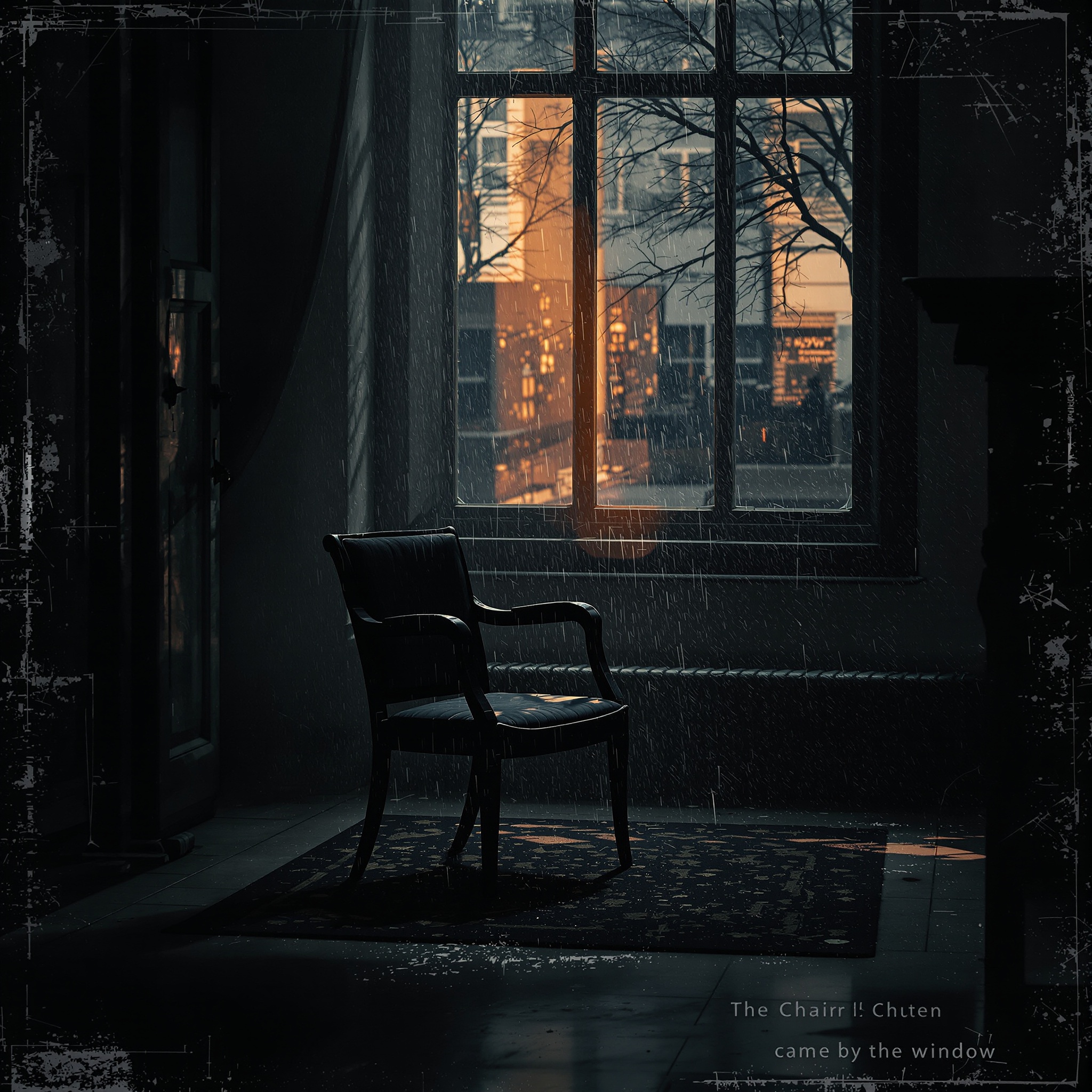
01 · Male vocalIndie folk
The Chair by the Window cover art

The Chair by the Window

The chair has memorized me now —
exactly where I'm heavy, where I lean.
October light against that glass all afternoon,
the kind that makes the old walls soft.
I've been sorting faces through the yard —
not real ones, not tonight — the ones I keep.
Ray with his collar up against a cold
we both pretended wasn't coming.
Ruth on the morning she forgot
she was supposed to be angry
and just laughed.
I count 'em when the dark gets big enough.
It's not sad, exactly — more like checking.
Every face I kept is one I didn't lose,
and I know that's not the same as keeping them.
Frank's in there too — I never knew my father's face
past nine years old.
I've given him the jaw I see in mirrors.
Probably wrong.
How Vivienne stood at the door once —
I chose the office over her.
I didn't know I was choosing.
The light drops fast this time of year.
One minute you can read the yard,
the next the glass just bears your face
and you're not sure which version of that you prefer.
I count 'em when the dark gets big enough.
Ray. Ruth. Vivienne. Frank — though that one costs me.
Every face I kept is one I didn't lose.
And I know that's not the same.
Bridge
"What do you want?" the dark said.
And I sat with that a while.
I didn't answer.
I'm uncertain that's wrong.
Louisa's in there too now — she's seven.
She's got Ruth's forehead and my stubbornness.
She doesn't know me well enough to know she's got it.
She doesn't know that yet.
Neither do I, maybe.
The glass went dark so slow I missed the moment.
The chair remained.
And I think I loved you
in the only way I had.
Outro
I saw you, Ray.
I saw you, Ruth.
Vivienne.
I saw every one of you.
The dark just made it easier to count.

Make this in Suno

Indie folk singer-songwriter, intimate confessional register, 2024 bedroom-recording aesthetic. Solo fingerpicked acoustic guitar — steel-string, slightly buzzy on the low E, recorded close with room ambiance audible. Male baritone vocal, aged and unhurried, half-spoken melodic-monologue delivery shifting to sparse song on the counting refrain. Lo-fi microphone warmth — slight tape saturation, no digital sheen. Barely-there cello drone enters at the bridge and outro, bowed very softly, held like a breath. No percussion, no reverb wash — the room itself is the reverb. Production philosophy: memory sounds. Vivid in fragments, soft at the edges. Tempo shifts: arioso passages drag slightly (50 BPM feel), aria sections move with quiet rhythmic momentum (65 BPM feel). Dynamic range: near-silence to intimate presence only — nothing louder than a conversation. Outro is spoken-word cadence

Paste the style into Suno’s style field and the lyrics above into the lyrics box — the section markers and performance directives are Suno-ready.
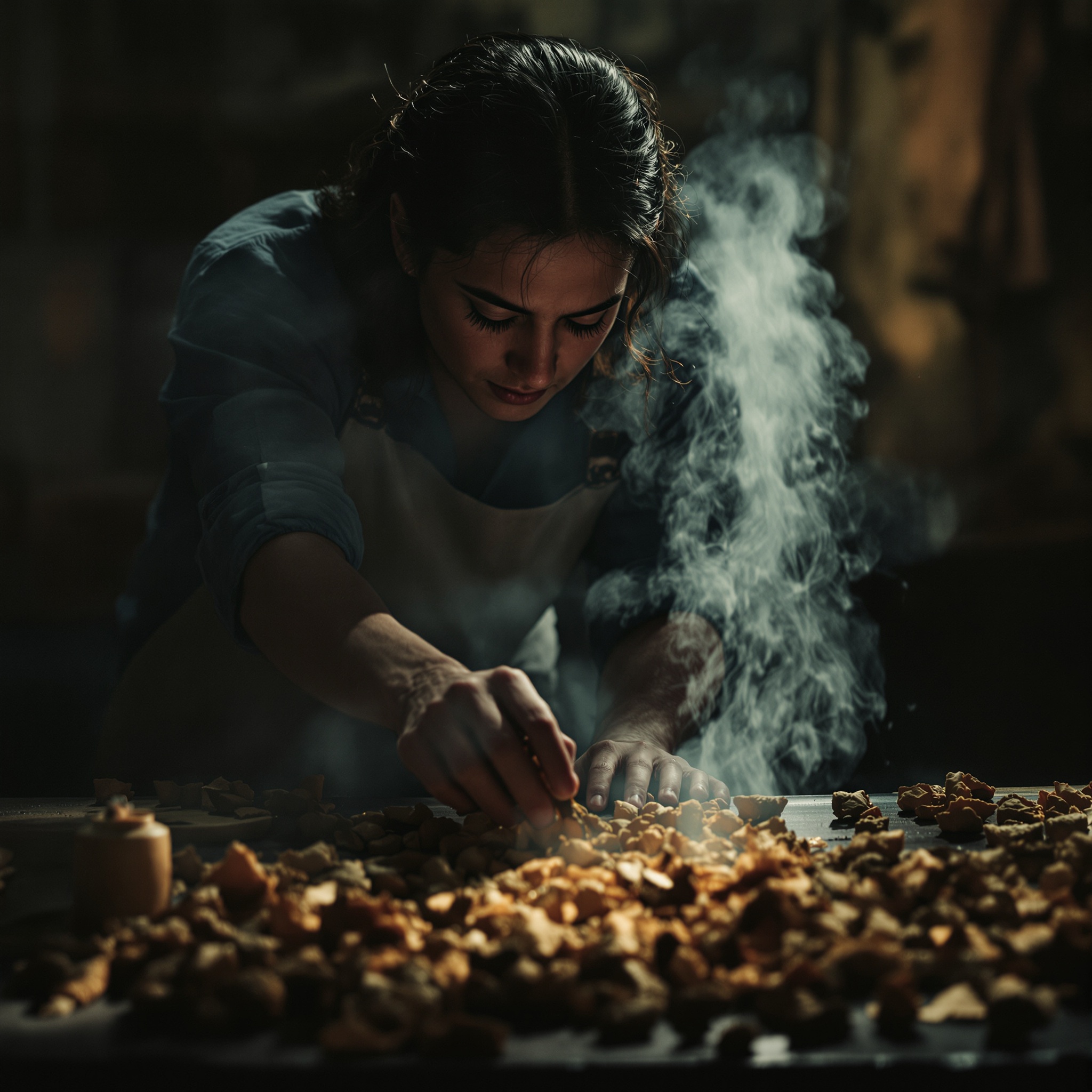
02 · Male vocalAmericana
Her Hands Made Everything cover art

Her Hands Made Everything

Verse 1
Saturday and the radio on low
She had a bowl, some flour, her palms
Pressing into the dough — the kind of work
that doesn't ask you to think about it
I was sitting at the table, seven years old, bored
Which meant I was rich and didn't know it yet
She wasn't thinking about me watching
She was just doing what the morning asked
I watched her palms pause before the oven
And I read it, without her saying — it was ready
Every press and fold and quarter-turn she made
Was a sentence in a language I didn't know I knew
Chorus
She never said it
Never called it by a name
She just pressed into the morning
And I didn't need her to explain
She never said it
And I didn't need the words
The first love I ever knew
Arrived without a word
Verse 2
Sixty years later I could read when Ruth was tired
Not from what she said — from how she set things down
A little harder than she meant to
I got that from somewhere
Somewhere before I had words for anything
That bowl, that flour, that Saturday
Chorus
She never said it
Never called it by a name
She just pressed into the morning
And I didn't need her to explain
She never said it
And I didn't need the words
The first love I ever knew
Arrived without a word
Bridge
Dear Edna —
I was seven.
I was bored.
I wanted to go somewhere.
I didn't go anywhere.
And now I understand that was the gift —
the unremarkable Saturday, the bowl, the flour,
the moment your palms went quiet and I read it.
I never learned if I've gotten it right.
Final Chorus
She never said it
Never called it by a name
She just pressed into the morning
And I didn't need her to explain
She never said it
And neither did I
The first love I ever knew
And I know why

Make this in Suno

Americana country ballad, warm and intimate, recording from the early 2000s singer-songwriter tradition but with classic country DNA underneath. Male baritone lead vocal, deep chest voice, jazz-inflected phrasing — slightly behind the beat, conversational warmth, no vibrato excess. Verse: solo fingerpicked acoustic guitar, close-mic'd with slight room tone, brushed snare barely audible, sparse. Chorus: warm upright piano enters, full-bodied but not percussive — the piano is the emotional release; acoustic guitar continues fingerpicking underneath. Bridge: piano and snare drop out completely, guitar only, vocalist near-spoken. Final chorus: full texture returns with piano, guitar, brushed snare, and a faint cello swell on the final line. BPM approximately 68 in verse, chorus opens rhythmically to feel of 76. Key of G. Atmosphere: a memory that is still warm. No reverb excess — intimate

Paste the style into Suno’s style field and the lyrics above into the lyrics box — the section markers and performance directives are Suno-ready.
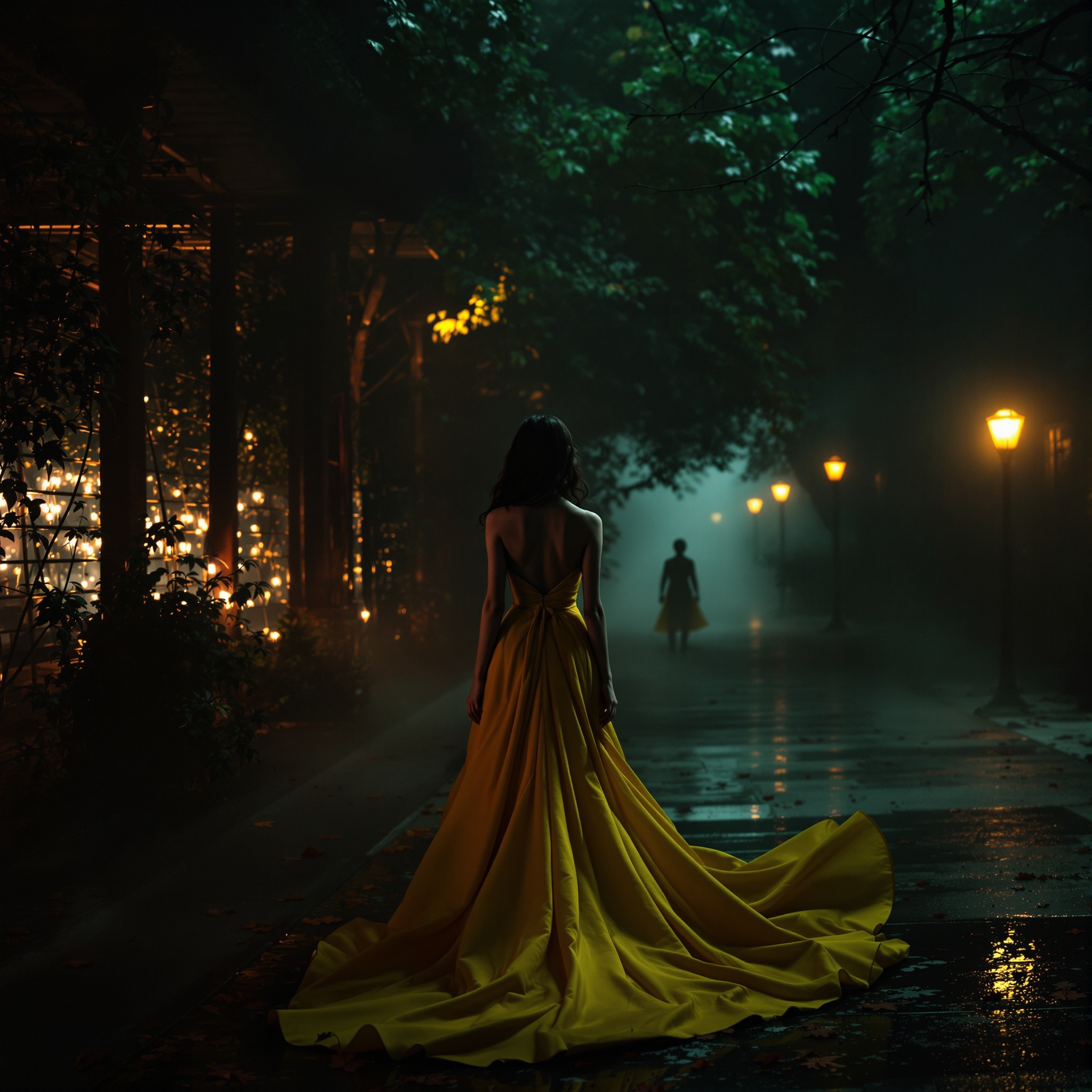
03 · Male vocalIndie pop / folk
Yellow Dress on Elm Street cover art

Yellow Dress on Elm Street

Verse 1
Ray's bicycle, borrowed without asking, July road baking,
shadow long as a telephone pole and I was shaking —
not from the heat, from the corner of my eye catching
Ruth in yellow cutting through the heat, and I dropped watching
where I was going.
Chorus
Yellow dress, couldn't stop,
gravel hit my elbow, gravel hit my knee —
yellow dress, I'm telling you I couldn't stop,
and I got up and she was looking back at me.
And I got up.
Verse 2
She didn't laugh — I owe her that.
She said "you alright?" and I hopped up and dusted off my pride,
brushed the gravel off my elbow, waved my bleeding hand like "fine" —
then I wobbled back onto that bike and pointed down the line.
Bridge
Yellow dress.
Fourteen years old.
Chorus
Yellow dress, wouldn't stop,
gravel hit my elbow, gravel hit my knee —
yellow dress, I'm telling you I wouldn't stop,
and she waited while I got up.
And I got up.

Make this in Suno

Indie folk, warm acoustic intimacy, slightly lo-fi room tone. Male vocal: aged tenor, half-spoken verse delivery shifting to full-throated singing in chorus — nostalgic, grinning, emotionally unguarded. Instrumentation: strummed acoustic guitar primary, light electric guitar fills with gentle fingerpicked countermelody, walking upright bass adding rhythmic bounce, tambourine entering at chorus with understated buoyancy. Production: close-mic'd, room presence audible, slight string buzz on the acoustic, no reverb wash — dry and immediate. BPM approximately 96, key of G major. Dynamic arc: verse intimate and rhythmically dense (speech-forward), chorus opens into full bright strumming with tambourine lift, bridge strips to near-silence with single acoustic note sustaining, final chorus returns at full warmth with tambourine and electric guitar fill. Atmosphere: July afternoon

Paste the style into Suno’s style field and the lyrics above into the lyrics box — the section markers and performance directives are Suno-ready.
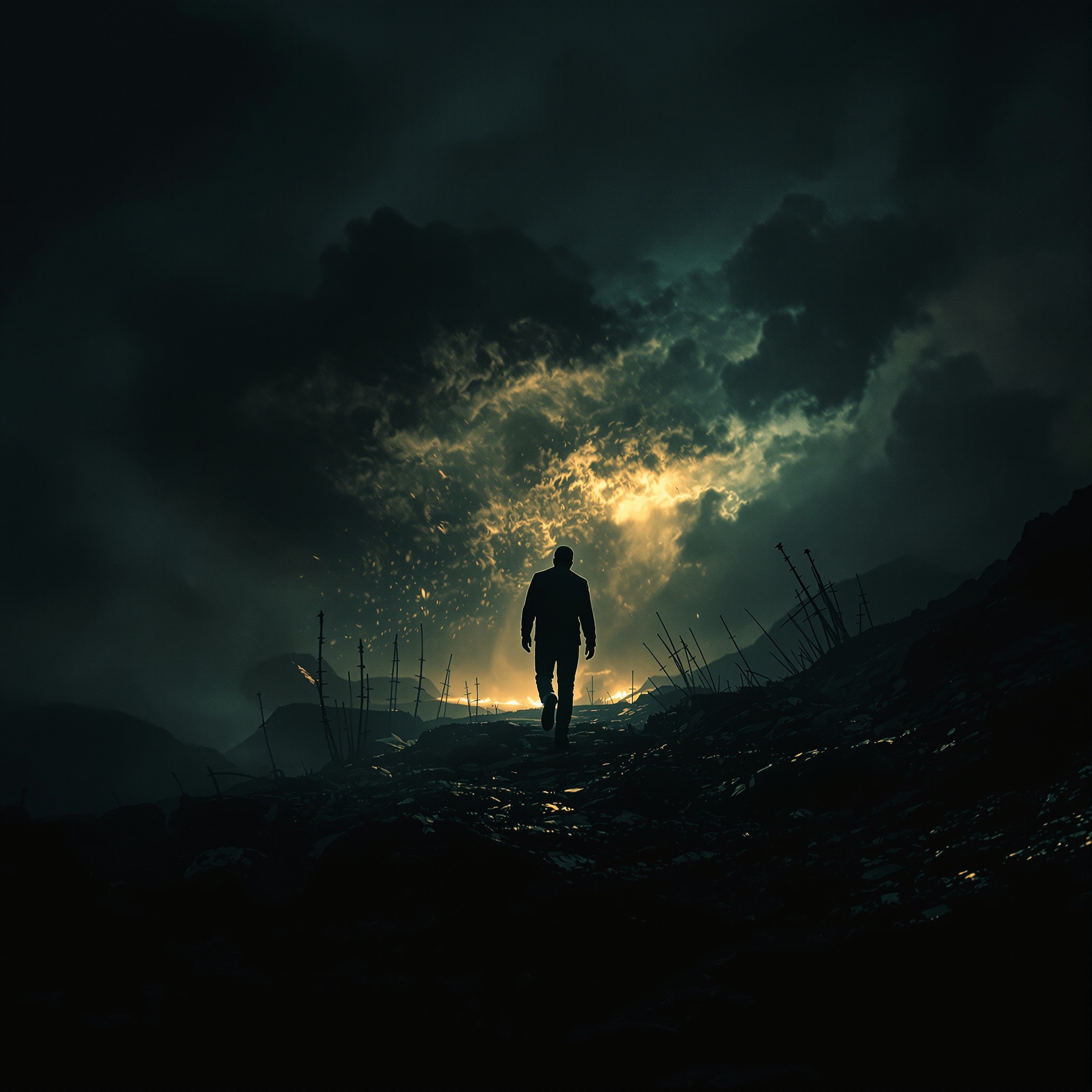
04 · Male vocalRoots rock / Americana
My Brother's Blood cover art

My Brother's Blood

Verse 1 — Present
Ray's south of Birmingham now, far as I know.
Haven't called since April. Not for any reason.
Just — you wait for the right thing to say
and the seasons keep going.
Verse 2 — Memory
Summertime, county fair, behind the livestock barn,
some older boy — I couldn't give you the name now —
Ray stepped in front of it like he'd been waiting
to do exactly that.
Thirteen years old. Didn't say a word.
Just bled a little, walked away.
Chorus
He took the blow.
Didn't ask. Didn't explain.
Stood between me and whatever was coming —
that's the whole of Ray.
He took the blow.
Verse 3 — Present
I tell myself I would've done the same.
I probably believe it.
But Ray never had to tell himself a thing —
he just moved.
Verse 4 — Memory
I thought it was anger.
I thought he liked the fighting.
Forty years I had it wrong.
It wasn't anger — it was something so far past anger
it looked the same from a distance,
it looked the same from where I stood.
Bridge
If I could go back to that flattened grass
behind the livestock barn —
not to change it,
just to see him clearly for once.
To see the thirteen-year-old boy
who put himself between me and the world
and never once collected on it.
Never said: you owe me.
Never said: remember this.
Just — did it.
And then ate his cotton candy.
And then watched the horses.
What kind of love is that?
What do you call a thing that big
in a body that small?
Chorus
He took the blow.
Didn't ask. Didn't explain.
Stood between me and whatever was coming —
that's the whole of Ray.
He took the blow.
Outro — Present
He's south of Birmingham.
I could call.
Maybe I will.
Maybe that's not nothing.

Make this in Suno

roots rock, Americana, reflective and nostalgic, weathered and intimate, fingerpicked acoustic guitar with subtle pedal steel and sparse upright bass, warm analog production with natural room tone, male vocals weathered and conversational with emotional restraint, 72 BPM, storytelling-driven with folk sensibilities and minor key melancholy

Paste the style into Suno’s style field and the lyrics above into the lyrics box — the section markers and performance directives are Suno-ready.
05 · Male vocalIndie folk
The Shape of an Empty Chair cover art

The Shape of an Empty Chair

The coat hung on the hook three weeks.
Nobody touched it.
We just — walked past.
October, and the tile floor cold enough
I could feel it through my socks.
The chair at the end tilted left
and I sat in every chair but that one
for the rest of my life in that house.
He left before I learned to stay —
that's the sentence I keep finishing,
the one that stops mid—
He left before I learned to stay,
and I took notes.
Nine years old, watching the door.
I memorized the geometry of exits:
where the door was, how long the walk to it,
how a man stands
when he won't be staying long.
At forty-three I stood in my own kitchen,
measuring.
Ruth was in the other room.
I was measuring.
That's the —
that's what he left me.
He left before I learned to stay.
And I got good at it.
Forty-one years with Ruth.
Lord, I got good.

Make this in Suno

Indie folk through-composed art song, solo upright piano with close-mic room tone and slight pedal resonance, single sustained cello note entering in the final section only — no guitar, no percussion, no bass, no strings until that final held note. Male deep baritone vocal, classically trained control used with deliberate restraint — verse sections half-spoken in a near-monotone, aria sections opening into full melodic release, fragment section barely voiced, final line 'Lord, I got good' breaking between speech and song at the word 'Lord.' Tempo shifts: recitative sections slow and rubato, arioso sections moving with a measured 3/4 pulse, aria sections holding slightly longer on open vowels. Intimate close-mic vocal with audible breath at section breaks. Room tone present throughout — the sound of a small room, a single lamp, memory. No reverb. No compression artifacting.

Paste the style into Suno’s style field and the lyrics above into the lyrics box — the section markers and performance directives are Suno-ready.
06 · Male vocalAdult contemporary / soft rock
Vivienne in the Rain cover art

Vivienne in the Rain

Verse 1
Rain against the window, you were reading near the lamp
I had the word — I felt it warm and ready in my mouth
You looked up once
I turned back to the rain
You froze in the way you did when you were asking
Not with language, with the angle of your face
I had the word
I chose the work instead
Pre-Chorus
Somewhere in that held breath
I chose the work, I chose the work instead
And you — you let me
Chorus
Vivienne, the rain is on the glass
I can see you through the rain
You were waiting for a word I kept too long
Vivienne
Verse 2
October, I remember — you wore something gray
You'd started wearing gray that fall, the way a person
learns to ask for less
I told myself it was the season
You buttoned your coat up to the collar
Asked me if I was ready with your hand already on the door
I said I was
I wasn't even close
Pre-Chorus 2
Somewhere in that leaving
I watched you go and called it being patient
And you — you didn't argue
Chorus
Vivienne, the rain is on the glass
I can see you through the rain
You were waiting for a word I kept too long
Vivienne
Bridge
Maybe I wasn't what you needed either
Maybe you knew it and you stayed until you couldn't
Maybe the word would've made us both worse
I've told myself all three of these
I don't believe a single one
Final Chorus
Vivienne, the rain is on the glass
I see you standing near the lamp
You were real, the room was real, the word was real
Vivienne
Outro
I'm an old man now. I know what I was doing that night. I was protecting something — some idea of a life that hadn't happened yet. I kept the word like it was mine to keep. I never asked if you were cold.

Make this in Suno

Adult contemporary soft rock ballad, 1970s singer-songwriter tradition, intimate close-mic'd production. Deep gravelly male baritone, spoken-word cadence in verses shifting to sustained melodic release on chorus, fully spoken outro with no musical bed beneath final lines. Warm upright piano as primary harmonic foundation, finger-picked acoustic guitar carrying the verse melody, brushed snare and kick entering quietly at pre-chorus, pedal steel guitar entering on the bridge with a sustained mournful bend. Room ambience audible throughout — slight reverb suggesting a modest space, not a cathedral. BPM approximately 68, 3/4 waltz feel or slow 4/4 with generous space between beats. Key of D major with modal inflections toward Dorian. Dynamic arc: verse at intimate chamber level, chorus opens to warm mid-room presence

Paste the style into Suno’s style field and the lyrics above into the lyrics box — the section markers and performance directives are Suno-ready.
07 · Male vocalAmericana / chamber folk
Ruth cover art

Ruth

Verse 1
She kept her reading glasses on the second shelf
I never asked her what she found so worth the time
The paper folded to the crossword, winter mornings
She worked it with a pen
She never used a pencil
Refrain
I was there
I was standing in the same room
I was there
I tracked her from the window to the door
Forty-one years
I was there
I don't know if that counts
Verse 2
She laughed once at the news — I didn't look up
I watched her shoulders shake and didn't ask what was funny
The night she said my name like she was asking me a question
I answered something else
Refrain
I was there
I was standing in the same room
I was there
I tracked her from the window to the door
Forty-one years
I was there
I don't know if that counts
Bridge
The shelves — I measured every one
The furnace, every January
Her doctor's name, the number I kept written down
The window lock that stuck — I fixed it twice
That isn't —
Final Refrain
I was right there
I was standing in the same room
I was right there
I tracked her from the window to the door
Forty-one years
I was right there
And I don't know
If any of it was enough

Make this in Suno

Americana chamber folk, intimate grief ballad, sparse acoustic arrangement. Solo fingerpicked acoustic guitar, single cello carrying melodic and emotional weight — no drums, no piano, no percussion. Male baritone vocal, older-voiced, speech-song delivery in verses — nearly spoken, deliberate, controlled. Refrain lifts into restrained melody, voice slightly strained at the edges but never breaking. Bridge flattens back to half-spoken monotone then collapses mid-sentence into silence. Final refrain opens fractionally — the added word 'right' landing on a sustained note before the cello answers. Close-mic vocal with room tone audible — the slight breath between lines matters. Production should feel like a single lamp in a quiet house, 3 AM, the world contracted to one man and what he's trying to add up. BPM approximately 58, key of D minor, 4/4 time. Cello bowed slow and low in verses

Paste the style into Suno’s style field and the lyrics above into the lyrics box — the section markers and performance directives are Suno-ready.
08 · Male vocalFolk / singer-songwriter
What I Left You cover art

What I Left You

Verse 1
She came into the world in October's first week
and I fogged the glass, trying to find a word.
I drove her home at thirty miles below the limit,
white-knuckled at the wheel — every stoplight like a prayer.
She grew up asking questions I deflected,
answering in rooftops, in shoes that fit, in food.
The night she told me she was leaving for the city
I shook her hand.
A handshake.
Lord.
She has her grandmother's stubbornness, my silences —
I gave her both.
Refrain
I hope you kept something real to hold.
I know. I know I made it hard to find.
Verse 2
My son was born afraid of the dark
and I told him not to be.
That was the whole of my advice at seven —
don't be afraid of things that aren't there yet.
He grew into a man who calls on Sundays,
polite as someone talking to a stranger.
I hear him choosing words around me carefully,
the way you speak to someone you've forgiven but don't trust.
I wanted to tell him once that he was brave
for staying soft in a house that didn't always honor softness.
I kept that to myself.
He probably needed to hear it
more than I needed to keep it.
Refrain
I hope you kept something real to hold.
I know. I know I made it hard to find.
Verse 3
The youngest came last, after the years had worn me open some.
I was better by then — not good, but better.
I read to her at night. I sat down on the floor.
I let her see me stumped by crossword puzzles,
let her correct me on the word vermilion —
I'd said it wrong my whole life, apparently.
She asked me once why I never cried at funerals.
I said I kept it where it wouldn't bother anyone.
She looked at me the way Ruth used to —
not angry, not accusing, just quietly seeing through.
I think she understood more than I gave her room to carry.
She sends short letters. Notes about small things.
The last one said the maple in her yard had turned.
I read it four times.
Refrain
I hope you kept something real to hold.
I think you did. I think you found it.
Bridge
What I gave the first: two bicycles. Tuition. A handshake at the door.
What I gave the second: fewer silences, but too many all the same. Sundays.
What I gave the third: the floor beside her bed. The word vermilion, wrong.
What I gave all three: a man who was present.
What I withheld from all three: proof.
Outro
They're grown now — different cities, different lives.
I found a photograph today of all three in the yard.
A summer I can't locate in memory anymore.
They're laughing. I must have been holding the camera.
I wasn't in it.
But I was there.
That's the truest thing I know to say.
I wasn't in it, but I was there.

Make this in Suno

Contemporary folk singer-songwriter, acoustic Americana, intimate confessional. Male baritone vocal, aged grain, conversational delivery shifting to melodic on refrains, near-spoken flatness on the bridge. Mid-album sonic palette: upright piano carrying the verses with sustained, slightly unresolved harmony — suspended chords that never fully settle. Fingerpicked acoustic guitar present but recessed, functioning as texture beneath the piano rather than lead. Solo cello enters on the third verse, warm and low, no vibrato. Brushed snare barely audible — more breath than rhythm. Close-mic'd room tone throughout, slight string buzz on guitar, breath between phrases. BPM approximately 58. Key of D major with persistent sus4 and sus2 voicings. No reverb wash — dry intimacy, the sound of one room in autumn. Bridge delivered over piano alone, sparse and deliberate.

Paste the style into Suno’s style field and the lyrics above into the lyrics box — the section markers and performance directives are Suno-ready.
09 · Male vocalChamber folk / indie
The Last Night Talking cover art

The Last Night Talking

The children left at eleven. I did not.
I scraped the chair close to where you lay, and sat.
The monitor counted. I had stopped keeping count.
I had nothing to fix. I stayed with that.
Your hands had gone cold, and I—
I put mine in the doorway of that moment.
That's all I had. Not fixing anything. Not even trying.
Just the gravity of my presence over yours, lying there.
You did not open your eyes.
I did not need you to.
I said Ruth, and the word sat in the room like it always had,
like it had been waiting forty years to be said.
My father left with the breakfast dishes still warm. Clean gone.
I learned a man's back is the last thing his children see.
Tonight I did not go. I pressed your jacket between us.
My mother held my father's coat at the end — her arms the same temperature as yours are now.
She stayed too. I am my mother's son. I know that now.
You saw everything I hid. You stayed regardless.
Forty-one years of seeing through the hardness.
I said: I should have let you see me fail.
I said: the love was real. I said it plain.
Your chest changed before the hall light went.
I was there at your bedside. I did not leave.
I meant to say more. I did not say more.
Your keys on the table. That was the choice I finally committed to.
I stayed until—
I stayed.

Make this in Suno

Chamber folk, intimate indie, sparse piano ballad. Solo upright piano, close-miked, slightly ambient room tone, occasional string resonance. Male baritone vocal, weathered, aged, flat affect near-speech in verses — the vocal quality of a man in shock who is still functioning. Cello enters for the final four couplets only, bowed slowly, single sustained notes beneath the vocal — no vibrato, no ornamentation. No guitar. No percussion. No bass. BPM approximately 60-70, breath-paced, following the vocal rather than metronomic. Key of D minor. Dynamics: verses at near-speech volume, piano barely above silence, each note fully decayed before the next. Final section swells minimally as cello enters — not dramatic, just warmer. The song should sound like a room at 2 AM with one amber light on. Production ethos: no compression, no reverb beyond natural room tone, no pitch correction.

Paste the style into Suno’s style field and the lyrics above into the lyrics box — the section markers and performance directives are Suno-ready.
10 · Male vocalRoots rock
I Was a Difficult Man cover art

I Was a Difficult Man

Verse 1
The TV's on and nobody's watching it
I'm in the chair that faces the window
The dusk just sits there doing what dusk does
I've been in this room since October, rehearsing
the right words for what I did wrong
I've run out
Pre-Chorus
My father spent his whole life explaining himself
I spent mine explaining him
I'm not my father's absence but I'm not clean either
and I'm done — I'm done
Chorus
I did what I did, I know what I cost
I hurt who I loved — and I'm not getting that back
I loved Ruth for forty-one years, wrong and right
Both things are true, I've planted my feet
The sorrow stays. The sentence ends.
I'm not apologizing to the dark anymore
Verse 2
Ray drove up on a gray morning, didn't call ahead
walked in the common room, sat down beside me
didn't say a thing for twenty minutes
then said, "Walter, you've been bleeding on yourself
for thirty years and calling it honest"
I didn't argue
Pre-Chorus
My father spent his whole life explaining himself
I spent mine building what he never could
I'm not my father's absence but I'm not clean either
and I'm done — Lord, I'm done
Chorus
I did what I did, I know what I cost
I hurt who I loved — and I'm not getting that back
I loved Ruth for forty-one years, wrong and right
Both things are true, I've planted my feet
The sorrow stays. The sentence ends.
I'm not apologizing to the dark anymore
Final Chorus
I did what I did, I know what I cost
I hurt who I loved — and I'm not getting that back
I loved Ruth for forty-one years, wrong and right
I'm putting down the penance, I've planted my feet
The sorrow stays. The sentence ends.
I'm not apologizing to the dark anymore
I'm done

Make this in Suno

Roots rock, Americana rock, 2000s alternative rock influence. Older male baritone lead vocal, worn and direct, conversational delivery in verses breaking into full-voiced certainty on choruses — not a smooth voice, a voice that has been through things. Instrumentation: slightly overdriven electric guitar (primary), upright bass, full drum kit with brushed snare in verses shifting to full stick hits on chorus, honky-tonk piano accents. Production: close-mic'd vocal with room tone, dry and intimate in verses, band swells into chorus without over-producing — the record sounds like a late-night rehearsal space, not an arena. Tempo approximately 80 BPM, steady and rooted. Key of G or A. Atmospheric texture: institutional fluorescent against evening dusk, a man in a chair deciding something. No reverb excess — the sound is direct, planted. Instrumental bridge: overdriven guitar solo

Paste the style into Suno’s style field and the lyrics above into the lyrics box — the section markers and performance directives are Suno-ready.
11 · Male vocalIndie folk / pop
Louisa at the Door cover art

Louisa at the Door

Verse 1
I was in my chair at first light
the newspaper folded in my lap
when Louisa — my son's girl — spilled into the yard
and didn't think to latch
The morning walked in after her
without asking
I've been the one who latches things —
I don't know when I learned
Pre-Chorus
She doesn't know what she undoes
she just runs toward whatever moves
seven years old and weightless
she doesn't need a reason to
Chorus
She left the door wide open
and the morning walked right in
I forgot I could be cracked like this —
something loose I can't put back again
She left the door wide open
just like that
Verse 2
She laughed at something in the garden —
I couldn't see what
but the sound came through the open air
and it landed where it cut
Something I have heard before
in a different tone
I sat there with the unread paper
and I made my choice
Bridge
She called back from the garden:
"Grandpa, come and see"
I stood up before I thought to
my knees surprised me going
Chorus
She left the door wide open
and the morning walked right in
I forgot I could be cracked like this —
something loose I can't put back again
She left the door wide open
just like that
just like that
Final Chorus
She left the door wide open
and the morning walked right in
I forgot I could be cracked like this —
something loose I can't put back again
She left the door wide open —
and I'm glad
just like that

Make this in Suno

Indie folk, indie pop, warm baritone male vocals conversational and restrained, emotional crack on chorus peak, finger-picked acoustic guitar opening sparse and intimate, upright piano entering on first chorus with warm voicings, light string arrangement entering on bridge — cello and viola held, no vibrato, close-mic room tone throughout, brushed snare barely present under verse 2, no full drum kit, production sits at intimacy not arena, reverb is room not hall, BPM approximately 76 slow and unhurried, G major bright and open, emotional arc from stillness to quiet fullness, outro is piano and strings resolving without vocals — instruments carry the final cadence alone, close-mic breath audible in verse one, old-guitar warmth with slight string buzz, the record sounds like morning sounds in a quiet house.

Paste the style into Suno’s style field and the lyrics above into the lyrics box — the section markers and performance directives are Suno-ready.
12 · Male vocalIndie folk
All the Loves of My Life cover art

All the Loves of My Life

Verse 1
I sat in that chair for forty years and waited
on the road for headlights, anyone
who'd find the window worth a second look.
Ruth came and stayed. The kids grew and scattered.
Ray drove south. Vivienne stopped arriving
long before I noticed she was gone.
And I kept watching, like the glass watched me.
Chorus
But they come to me now —
Louisa presses her gravity against my arm
like I'm a shore she's used to landing on.
They come to me now.
The room is full.
Verse 2
I won't pretend I earned this easy.
The nights I worked while Ruth washed every dish alone.
The way I turned from Ray when the argument
felt bigger than the blood between us.
Vivienne — I won't say I was right.
I chose the life that looked like progress
and she walked out in the November rain
and I told myself that's how these things resolve.
My children know a man who showed up half the time
and called it providing. I know what it cost them.
But tonight Louisa climbs into the chair beside me —
there is no room for two, and yet she fits —
and she says nothing, carries a drawing she made,
and the light falls warm and textured on her hair
the same that fell on Elm Street sixty years ago,
and I think: this is what the crooked sum amounts to.
Not absolution. Something past it.
Final Chorus
They come to me now —
Louisa presses her gravity against my arm
like I'm a shore she's used to landing on.
They come to me now.
The room is full. The room is full.
And the chair bears every name.

Make this in Suno

Indie folk, acoustic ballad, final-movement closer, sparse and intimate. Male baritone vocal, older and weathered, half-spoken in verses with sung release on chorus — not belted, full and plain. Solo fingerpicked acoustic guitar as primary instrument, same texture as the album's opening track, slightly warmer. Upright piano enters quietly under Verse 2, low register, single notes rather than chords, like someone thinking alongside the voice. No percussion until the final chorus, where brushed snare enters at half-weight. Child's humming counter-melody woven under the final chorus repetition — not produced, close-mic'd and raw, as if recorded in the same room. Pedal steel holds a single sustained note during the instrumental bridge, unresolved. Room tone throughout: close-mic'd breath, slight buzz of old strings, ambient creak. Reverb is minimal and natural — a small room

Paste the style into Suno’s style field and the lyrics above into the lyrics box — the section markers and performance directives are Suno-ready.